Have you ever wondered how sneaker collaborations came to be, or which release first fused music, culture, and footwear into one? From Kanye’s groundbreaking partnership with adidas for Yeezy line, to the endless Travis Scott x Air Jordan drops, as well as iconic releases like Jeff Staple’s Pigeon SB Dunk and Patta’s Air Max 1, collaborations have shaped the sneaker landscape as we know it today. But who laid the groundwork behind the scenes?
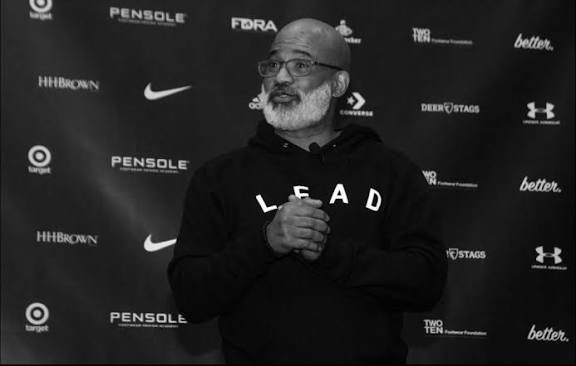
We’re proud to welcome Drew Greer, former Nike Footwear Product Director, as he takes us through his journey, unpacking the ideas, risks, and decisions that helped architect sneaker collaborations as we know them today.
Hello Drew! How have you been lately?
I’m good, and currently in New York, spending time with my son while supporting his journey toward becoming a Michelin-starred chef.
You are widely recognized as Nike’s first African American Footwear Product Director. What year did you step into that role, and how did that journey begin?
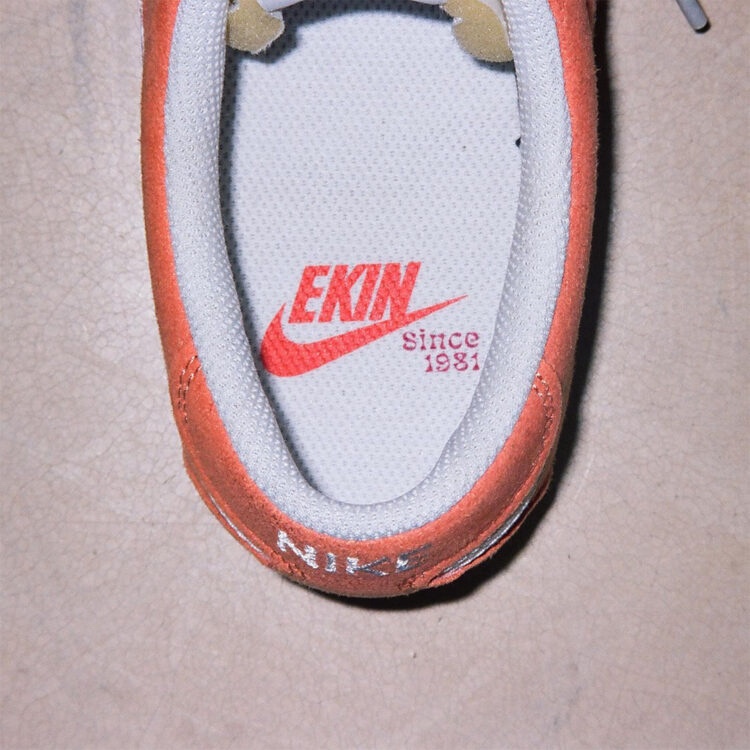
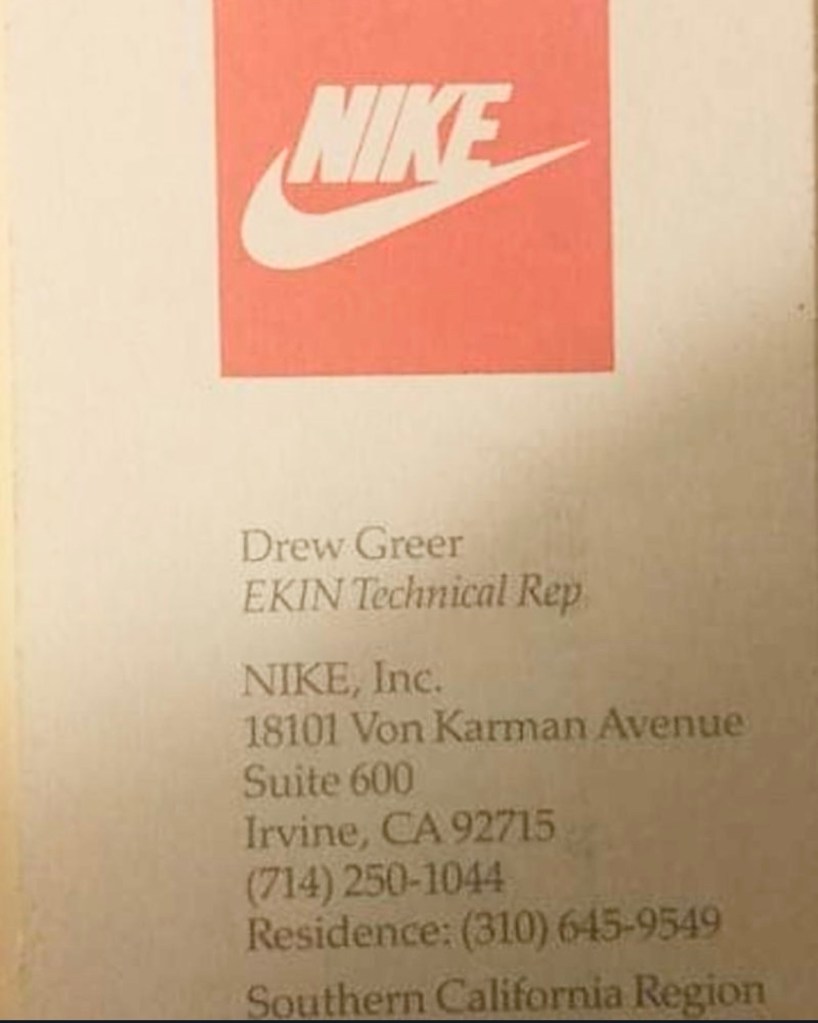
I was based in Atlanta before relocating to Southern California when I was first hired by Nike. I began my journey as an EKIN, conducting market reports, studying the brand, organizing grassroots events, and serving as the eyes and ears of the company on the ground.
*Nike’s EKINs (NIKE spelled backward) are passionate, elite brand ambassadors, who educate retailers, athletes, and communities about product innovation, brand stories, and culture, ensuring the message of inspiration and innovation reaches consumers globally through expert training, event activation, and engagement. They are deeply connected to the brand’s core, receiving exclusive access to products and acting as vital links to the market to keep Nike grounded in consumer needs.
The Wu-Tang Clan Dunk and the Roc-A-Fella Air Force 1 are now legendary pairs. How did those projects come to life?
This was in 1999, in the pre-internet era. Storytelling was far more challenging then, and most launches relied heavily on word of mouth. When I moved to New York, my role went beyond marketing products, I was integrating with culture.
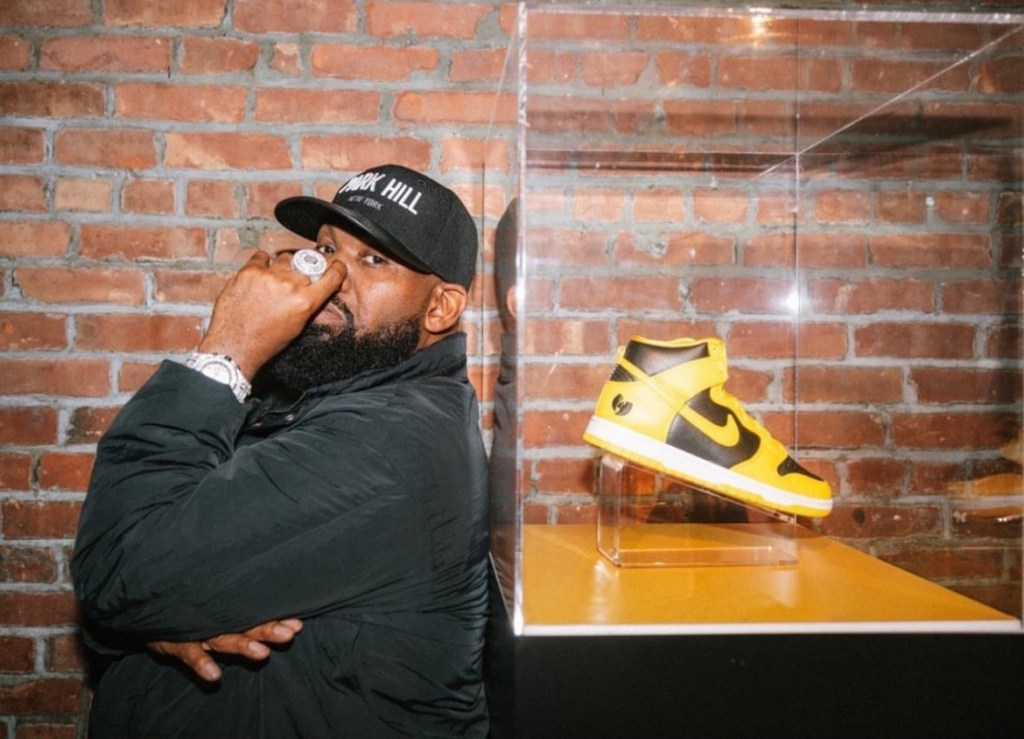
A good friend of mine, Come Chantrel, was an executive at Loud Records, the label behind Wu-Tang Clan. At the time, I knew the Iowa colorway was scheduled to return, following its original 1985 release. We began exploring how to create a promotional Wu-Tang Dunk that felt authentic to the culture.
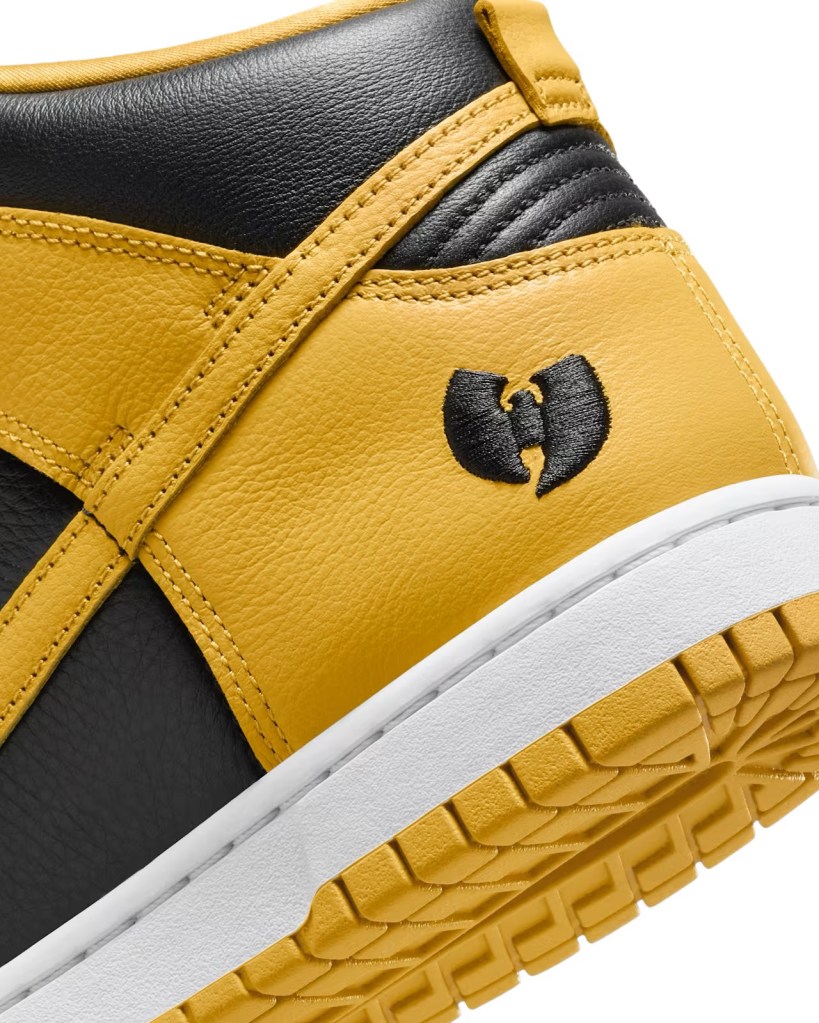
Image courtesy of Nike.
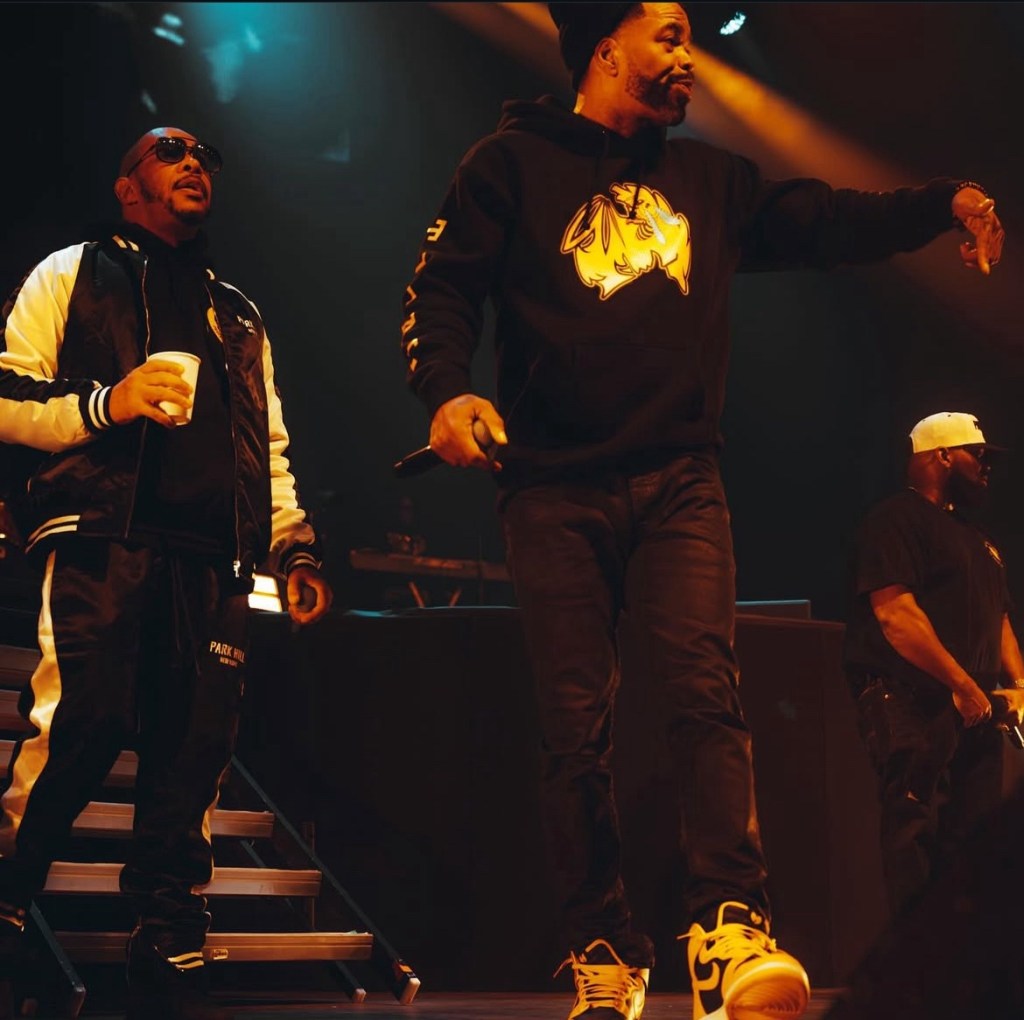
Drawing from the Wu-Tang “Killer Bees” colourway and marking the heel with the iconic “W” logo, something which Nike had never done before. We produced 100 pairs splitting a 50-50 between Come and myself. They were seeded exclusively to friends and family and were never intended for retail.
After that, I was written off by the company. The entertainment department didn’t want to set a precedent or create demand from other artists or influential figures requesting to stamp their identity onto Nike footwear after seeing the F&F Wu-Tang Dunk release.
Months later, I was working closely with a New York retailer called Training Camp, run by Udi Avshalom. I’d known Udi for sometime, and he had a good relationship with Jay-Z. Once again, I went against the resistance and decided to cook something up.
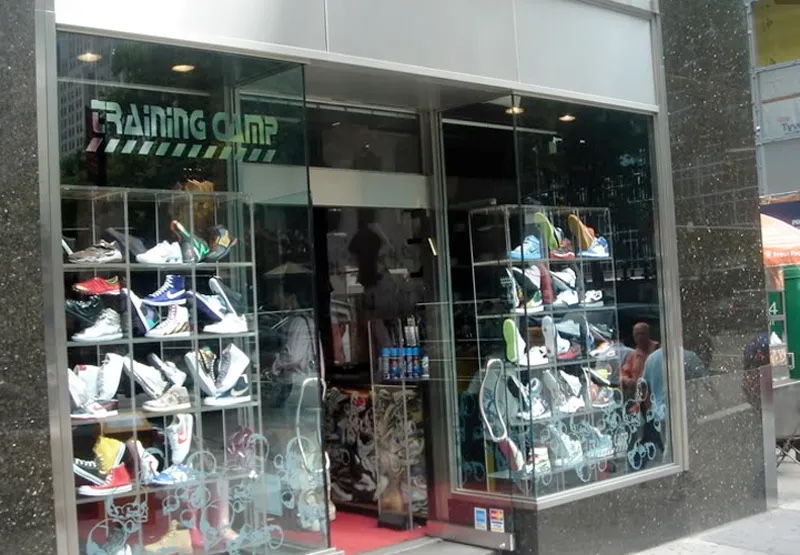
of Sneakers File.
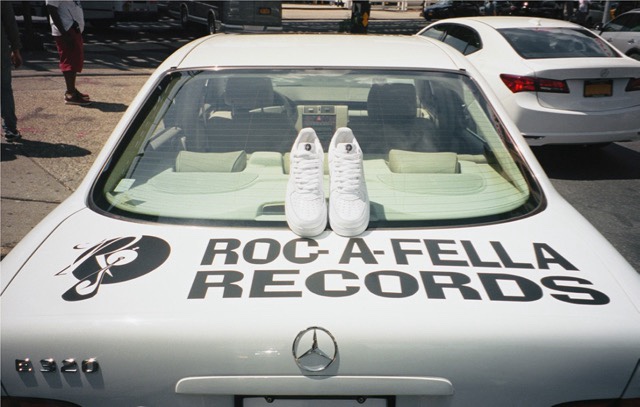
We landed on the Air Force 1. I suggested white/red and white/navy, but Jay-Z wanted it clean, a white on white, with the Roc-A-Fella logo etched on the heel. Only friends and family exclusive. No retail, no rollout.
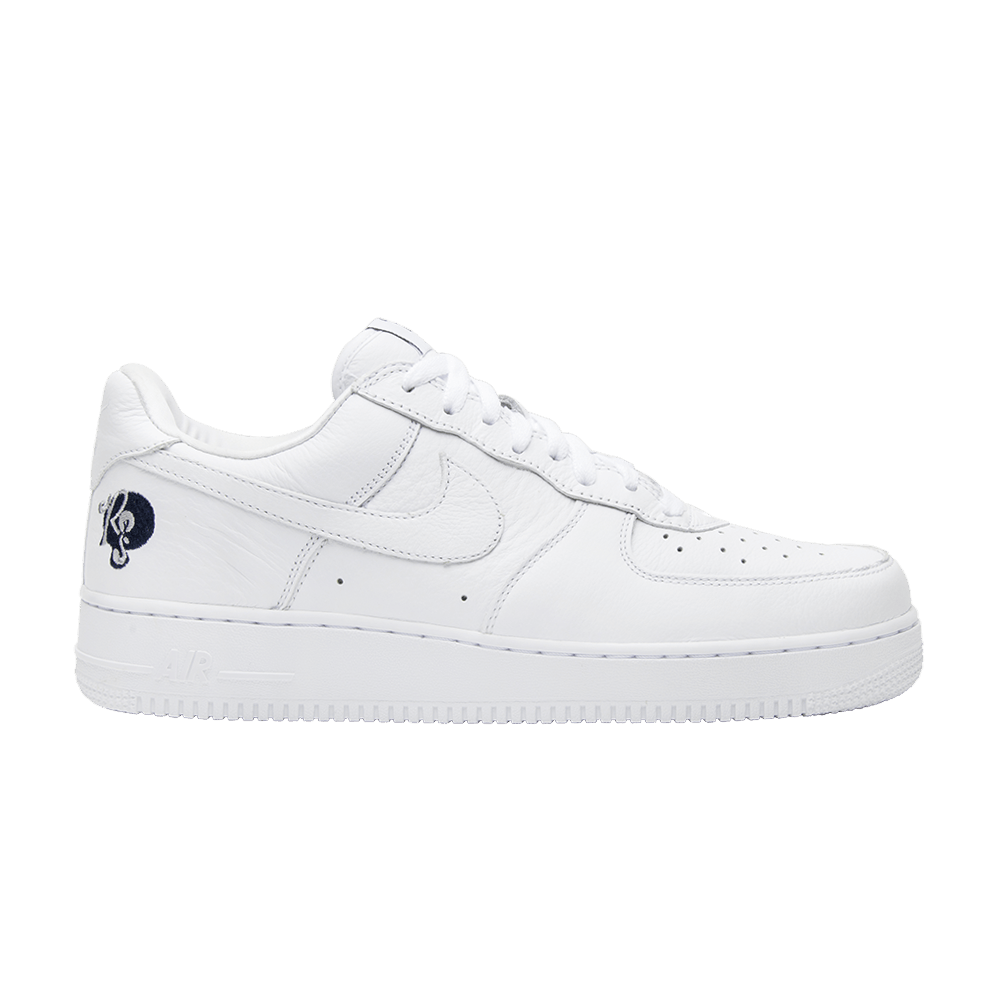
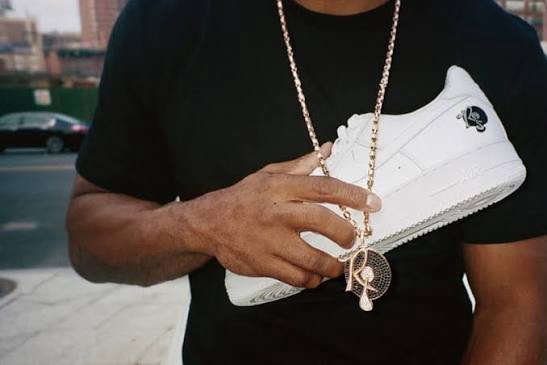
When it dropped, other major labels immediately tried to tap Jay-Z for access. He ended up calling the head of Nike’s entertainment department. “He went crazy at me, for doing it again, haha.”
I still managed to get my bonus!
Sometimes, you have to break the rules to create something that truly changes the game.
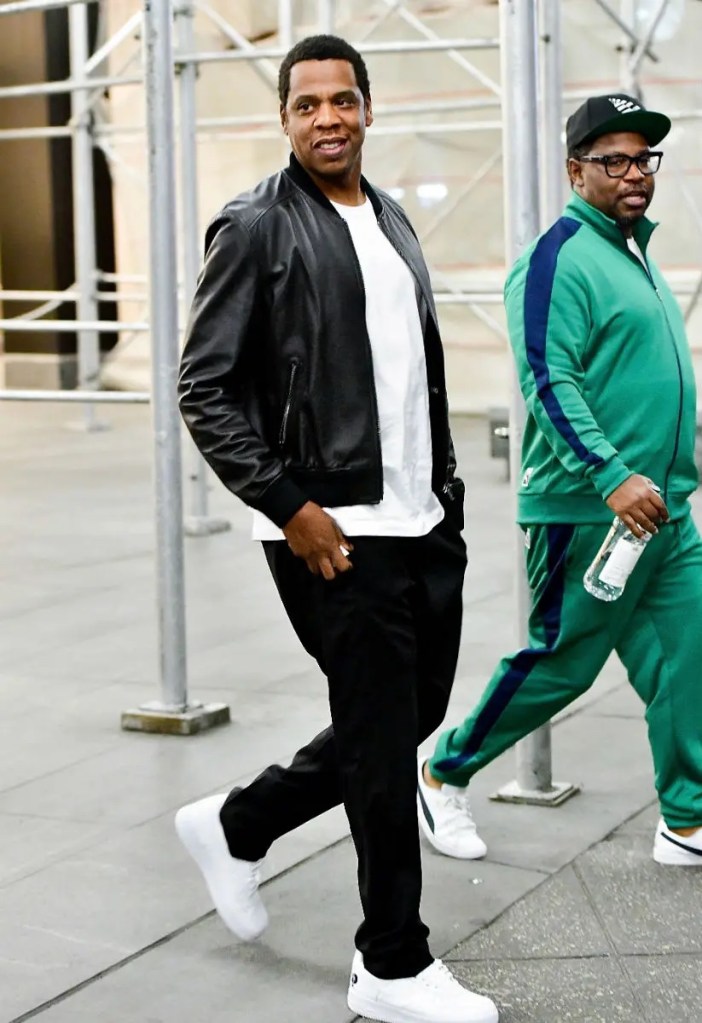
Image courtesy of James Devaney.
Today, collaborations between footwear brands, musicians, designers, and retailers is the new game. Does it feel like a personal accomplishment knowing you helped pave the way for this movement through the success of the Wu-Tang Dunk and the Roc-A-Fella Air Force 1?
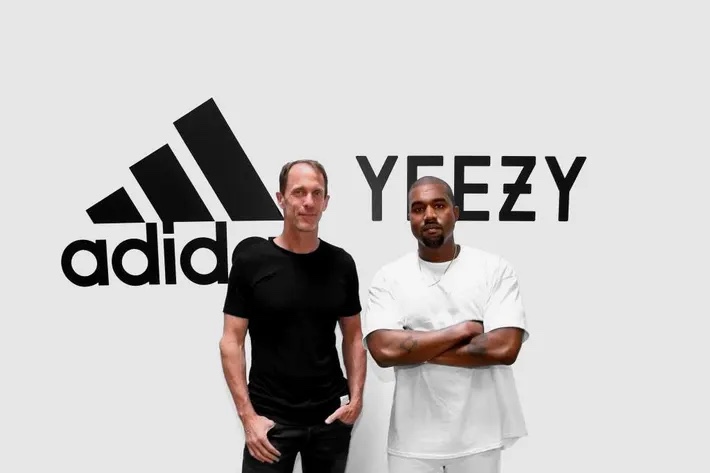
It was interesting to watch what Kanye built with Adidas. While the designs didn’t personally resonate with me, I respected the scale of what he created, the movement itself felt genuinely new. In contrast, collaborations like Jay-Z x Reebok felt more transactional, lacking that deeper sense of passion.
Part of me feels proud knowing we were among the first to carry that vision and help bring it into reality. At the same time, I wasn’t seeking much, just an acknowledgment. As the saying goes, artists are often only appreciated after they’re gone.
I was also left wanting more in terms of innovation. I don’t want to see reruns of familiar ideas; I want to see new stories, new concepts, things that challenge, excite, and inspire.
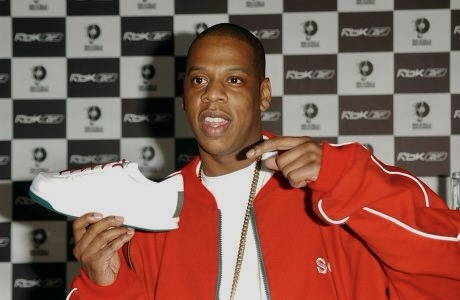
You grew up on the West Coast, which has a different sneaker culture and style language. Both the Wu-Tang Dunk and Roc-A-Fella Air Force 1 are considered iconic New York releases. If those projects hadn’t happened, did you ever consider working on collaborations with West Coast artists?
From a West Coast stand point, our cars were our sneakers. We grew up wearing Chucks, Vans, and Cortez, not as die-hard sneakerheads, but as part of everyday life. Today, the Lakers are a cultural powerhouse, but back then, California wasn’t a basketball state, it was an American football state.
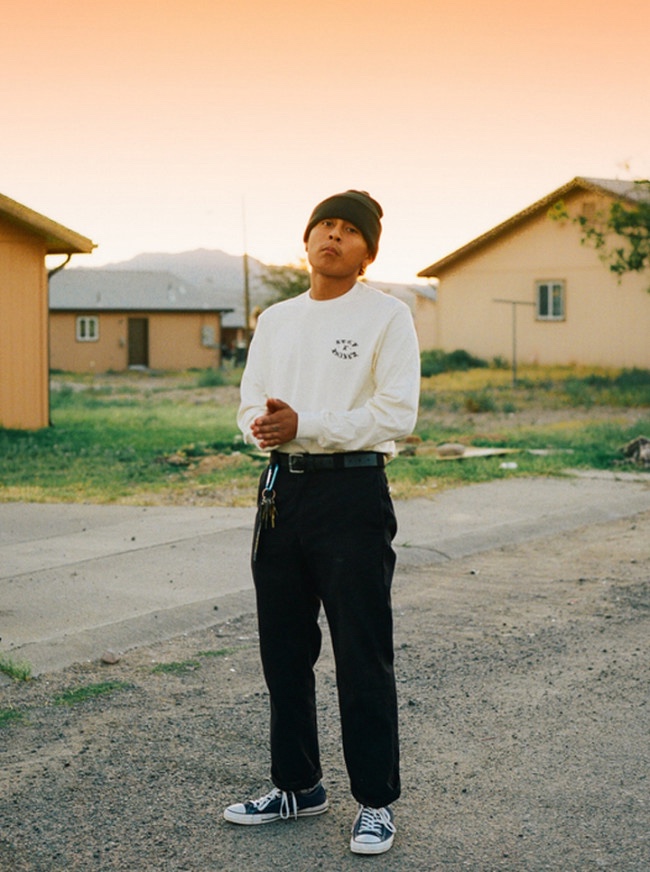
I wouldn’t want to replicate the energy or cultural imprints of New York and simply repackage them as a West Coast narrative. Instead, I’d rather see collaborations with brands like Dickies or Converse “Chuck Taylor” partnerships that are far more rooted in West Coast culture. Early in my career at Nike, Air Force 1s were sitting on the bottom shelves at Foot Locker; LA kids just weren’t feeling them at the time.
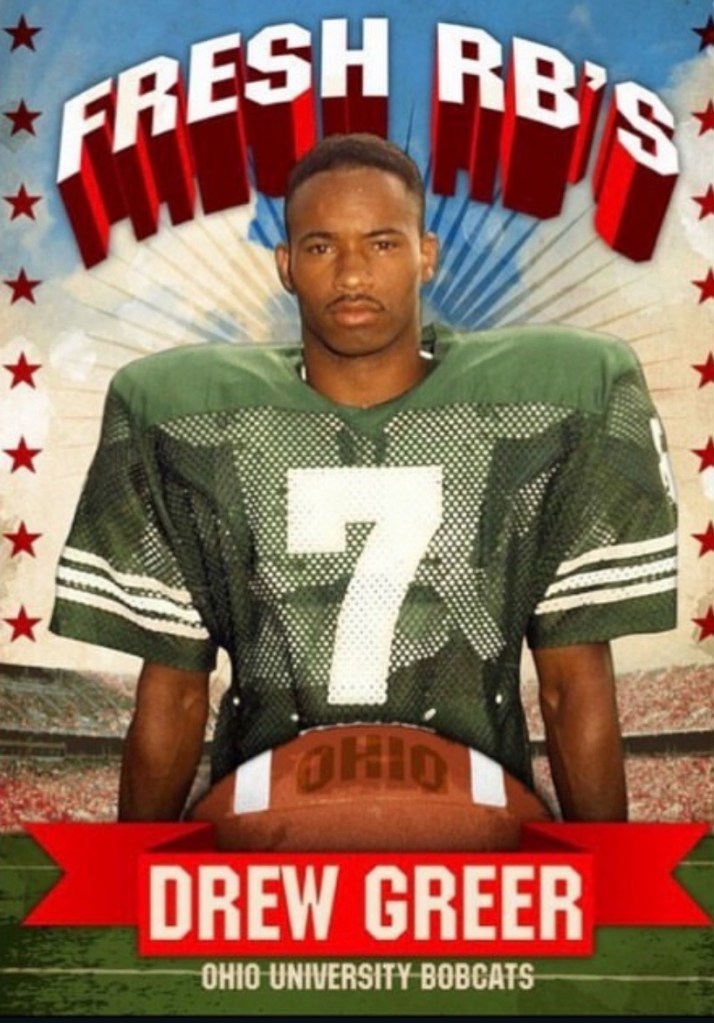
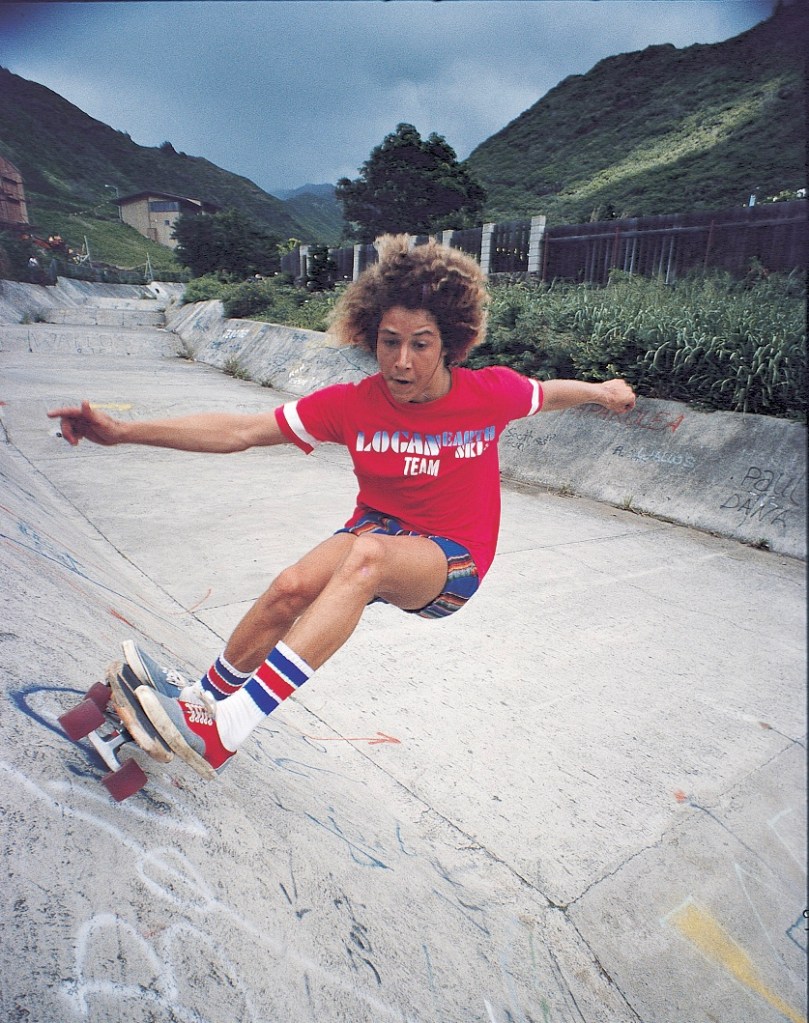
How we first connected was when we noticed Alyasha commenting on one of Jeff Staple’s Instagram posts. It made us realize that without you, many of these collaborations might never have come to life, long before the late Sandy Bodecker stepped in and transformed the entire Nike SB landscape. You were also instrumental in the Alphanumeric Pro B Dunk, could you share more about your role in that project?
Sandy was assigned to take over the SB line. He’s a powerful creative with abilities similar to mine, rooted in storytelling and staying close to the culture. When Aly suggested a collaboration, I was fully on board. At the time, I was in transition preparing to move from Oregon, and Jesse Leyva was stepping in to take over. The project was already in motion, and Aly had the aesthetic and direction ready. After the launch of the Alphanumeric Dunk Pro B, the SB team began using the same formula I had originally got written off for—haha!
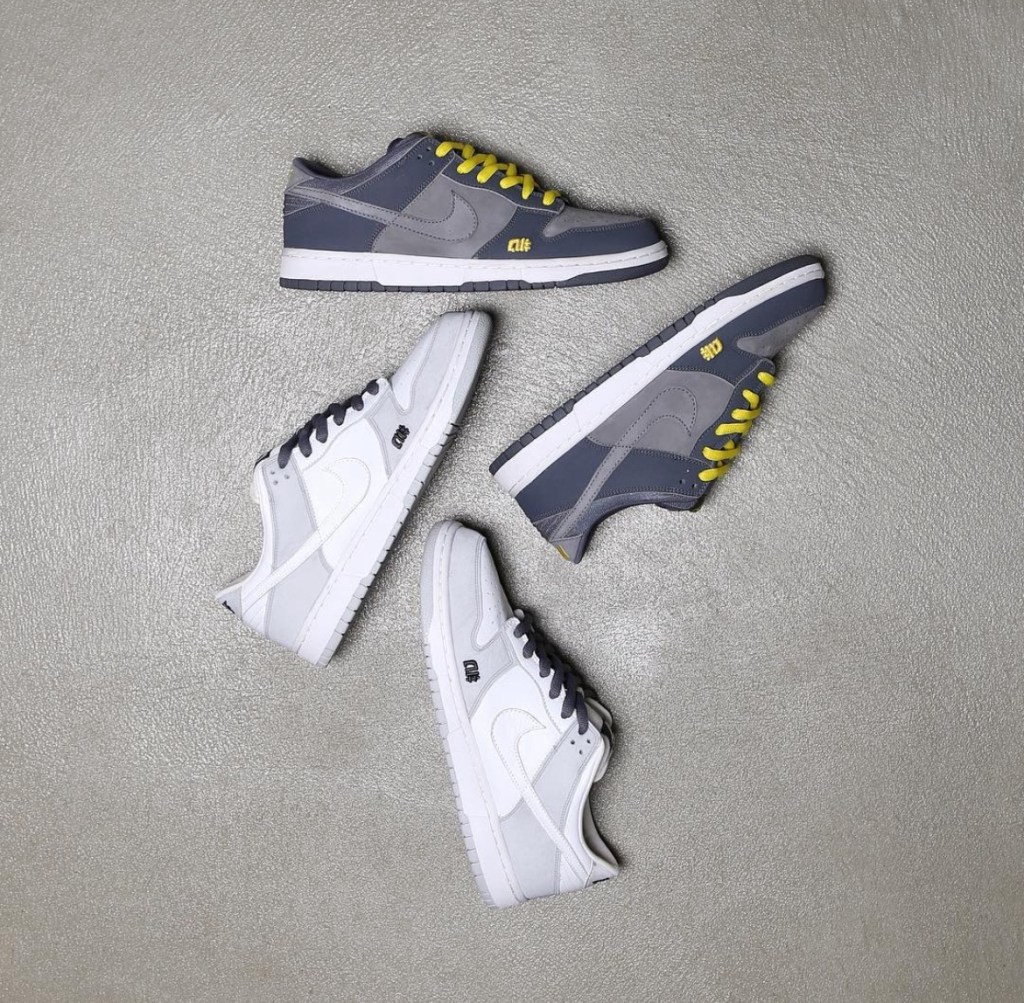
At the time, were there many non-athlete footwear collaborations happening, or did these projects feel like uncharted territory?
Nobody was doing it, we were the first. Run DMC had a campaign with adidas for the “Shelltoes”, but it was simply them wearing the shoes in a music video. There were no markings or identifiers on the shoe itself.
After leaving Nike and working with brands such as Polo Ralph Lauren, Supra, and Under Armour, did you try to recreate or expand on that same collaborative energy?
Yes I did, but again it goes back to the colour piece. I had more influence at Nike when I was 27 because the company didn’t fixate on category limitations. Nike was growing while other businesses were shrinking. My challenge working with other brands was that, I understood the business strategy, but they couldn’t grasp it and didn’t empower me to execute.
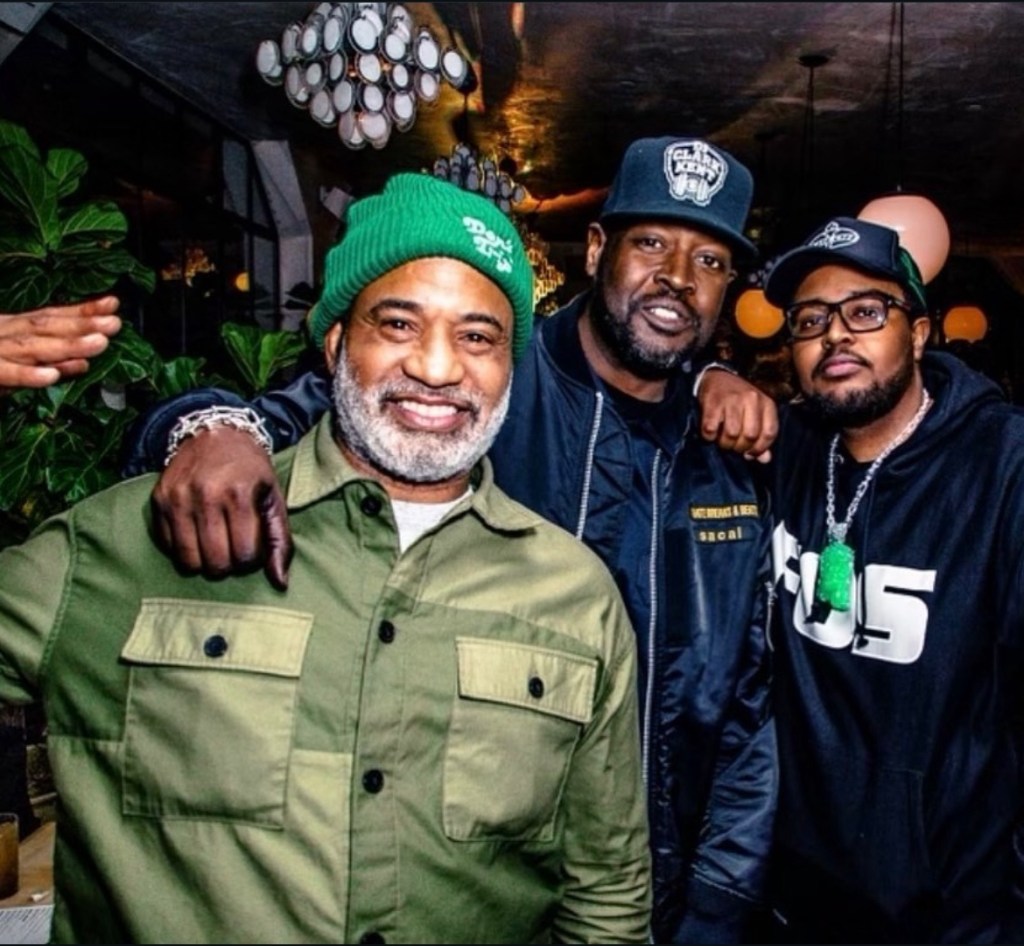
Drew Greer.
We understand that you’re now running your own agency, BRAND I AM. Could you share more about its vision and what you’re currently focused on?
We are a storytelling agency run by me and my partner, Gene Smith, who once played at Georgetown University and was also one of the early Jordan Brand sales representatives. Our work spans product marketing, and I also serve as a keynote speaker and writer.
Although we are OGs in the industry, we blend the old with the new to develop strategies that move culture forward. In addition, I’m currently involved in teaching, with a focus on developing and mentoring the next generation of leaders.
Looking ahead, after contributing so much and trailblazing the sneaker culture, what are your hopes for the future of the industry, and what would you still like to see happen?
I’d like to see brands tap more deeply into indigenous cultures, as well as create concepts similar to Power Rangers—where different nationalities are represented, misconceptions are challenged, and each culture’s unique strengths are celebrated as super abilities. I want to see innovation take center stage again.
What I miss most, though, are the corner stores and the incubators that once nurtured ideas and creativity. They represent the true soul of the industry.
Interview with Drew Greer by Yojie Afura.
A Suave Cartel Media original series, “SPEAKING WITH”.
 suavecartelmedia.com