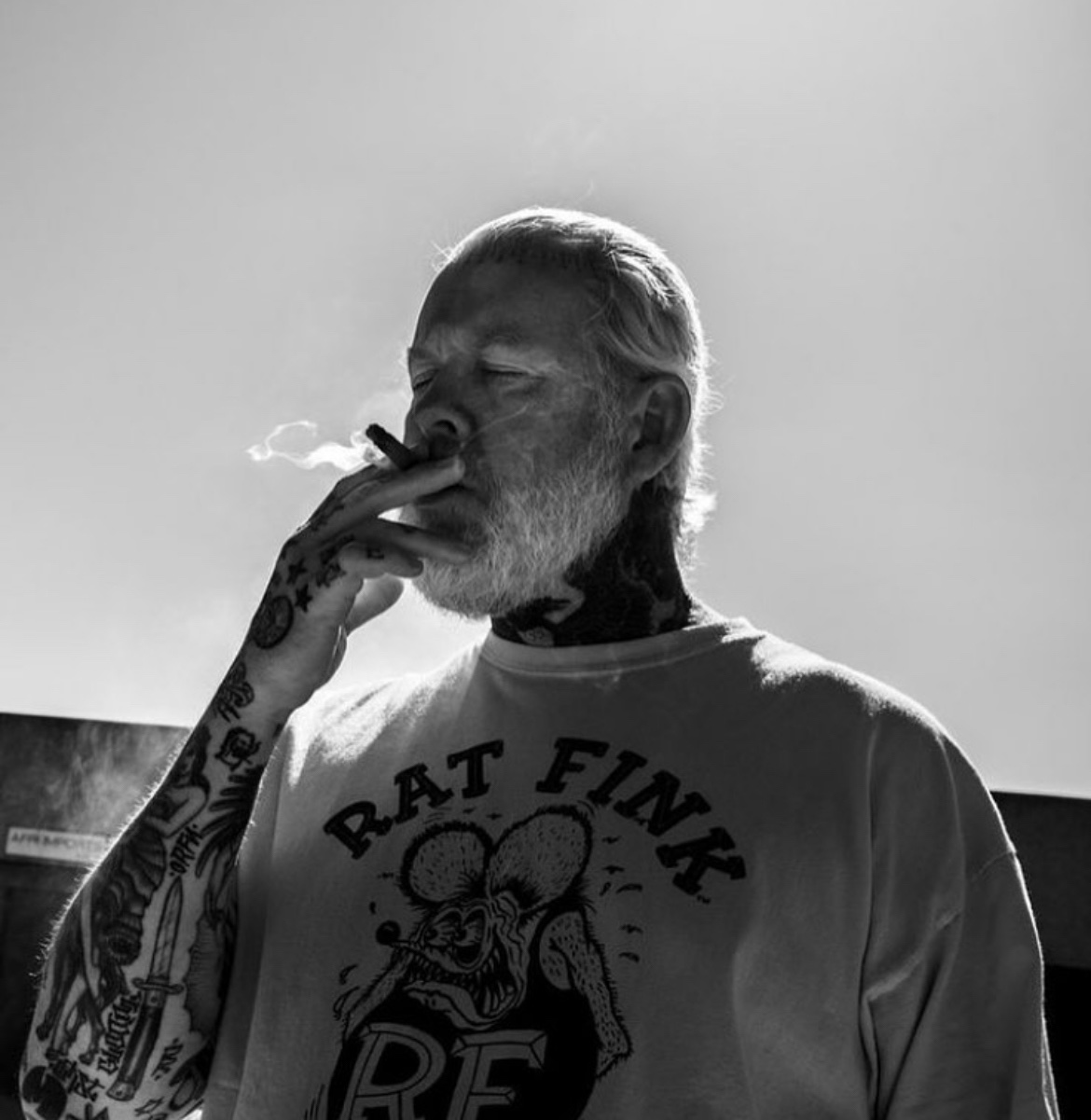
An OG that doesn’t even need an introduction. Deeply rooted in subculture. he’s a true multidisciplinary creative, he’s one half of the world renowned streetwear label, Rebel 8. A tattoo artist, graffiti writer, and skater who also shreds fixed-gear bikes, rides choppers, and also a relentless illustrator who never stops drawing.
We caught up with Mike Giant to hear how it all began.
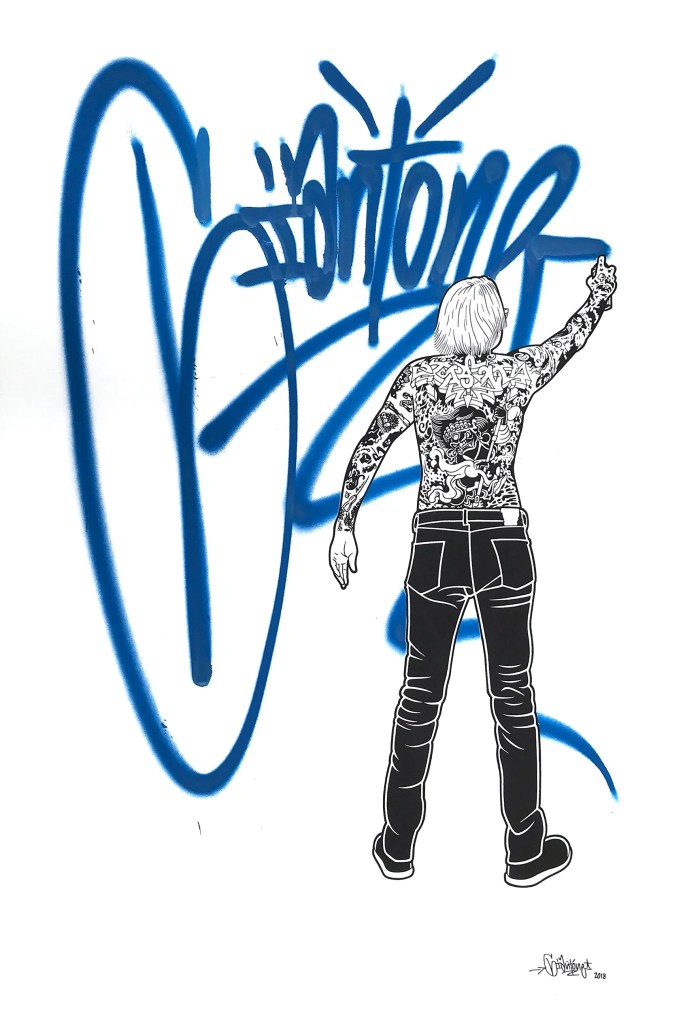
Hello Mike, how’s life been treating you lately, and where are you currently based?
Currently, I’m in Dayton, Ohio, in the northeastern part of the United States. It’s winter here, and the cold has really set in, it’s been snowing a lot. I’ve been here for about a year and a half now, after relocating from San Diego.
Many know you today as a tattoo artist and illustrator, but some may not realize you started out as a graffiti writer. Can you take us back to where it all began?
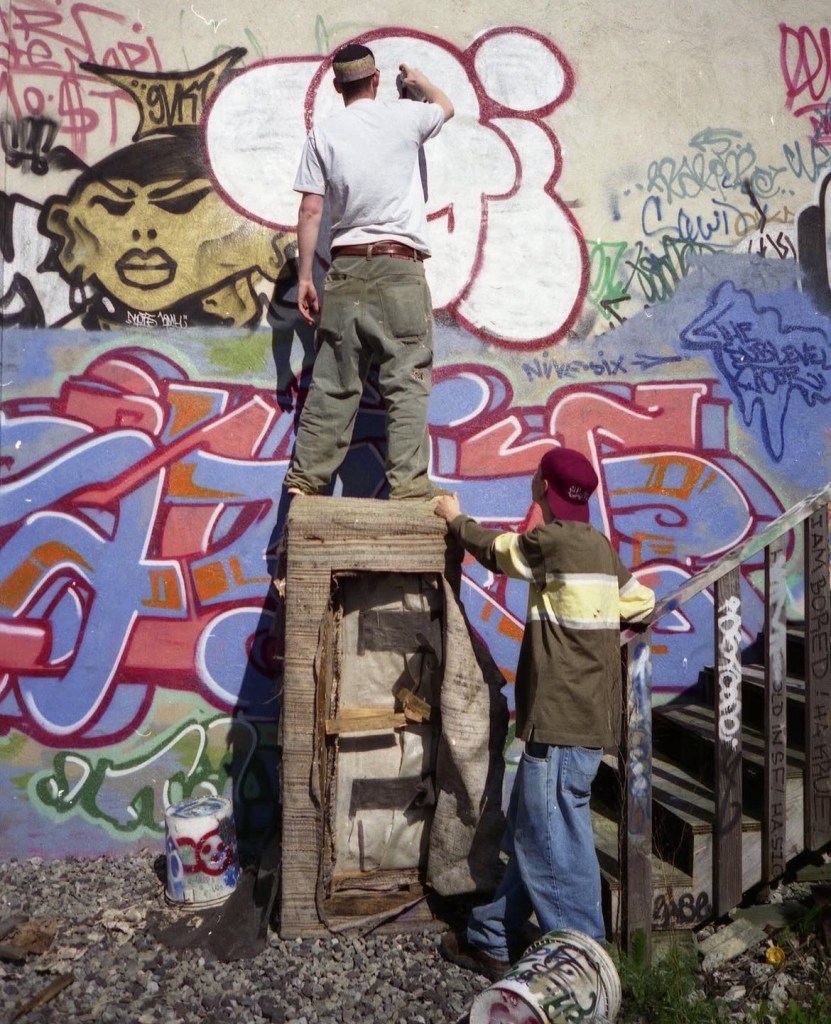
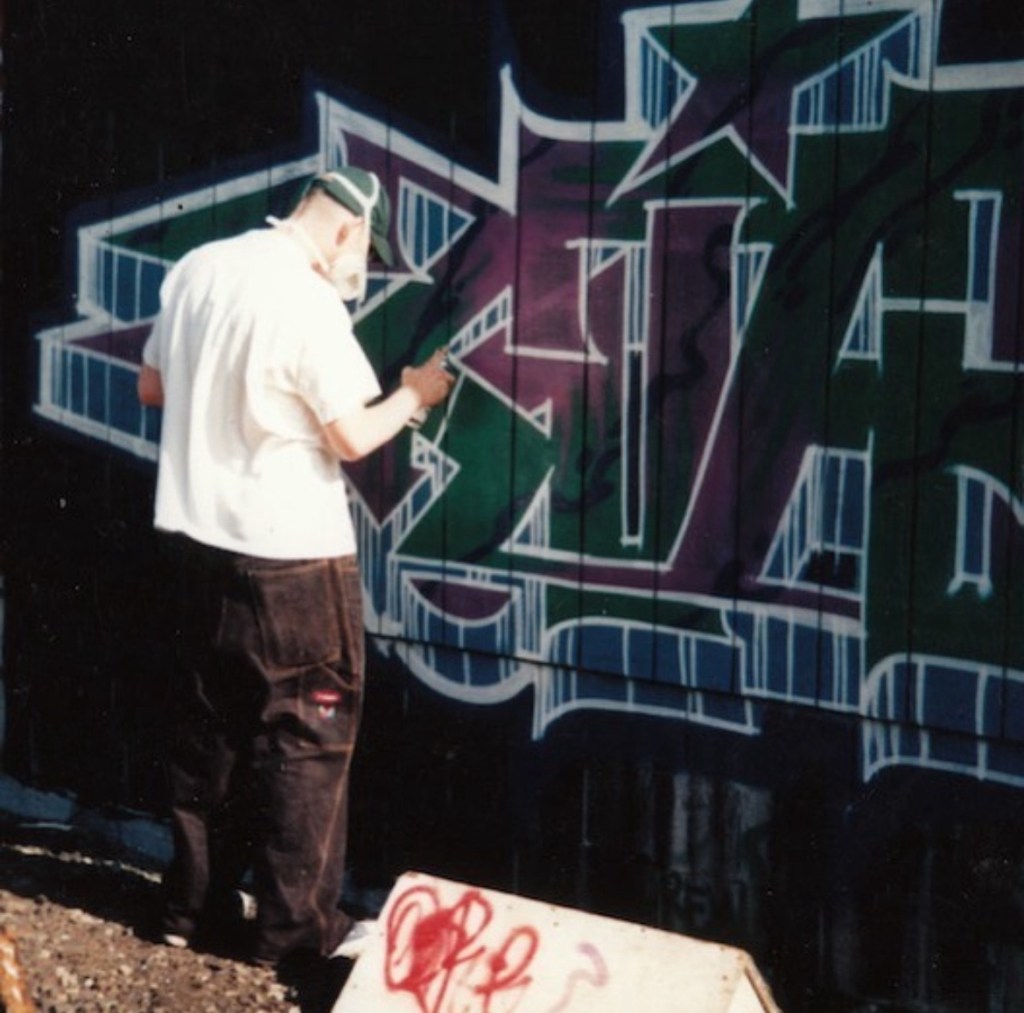
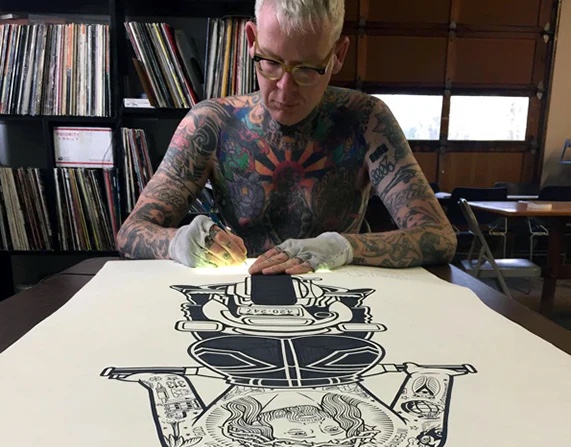
I started writing graffiti in 1989 and began selling my drawings shortly after. Even as a kid, before I ever picked up a spray can to paint BMX bikes, I was obsessed with magic markers and coloring books. My mom could keep me quiet for hours just by handing me a fresh set.
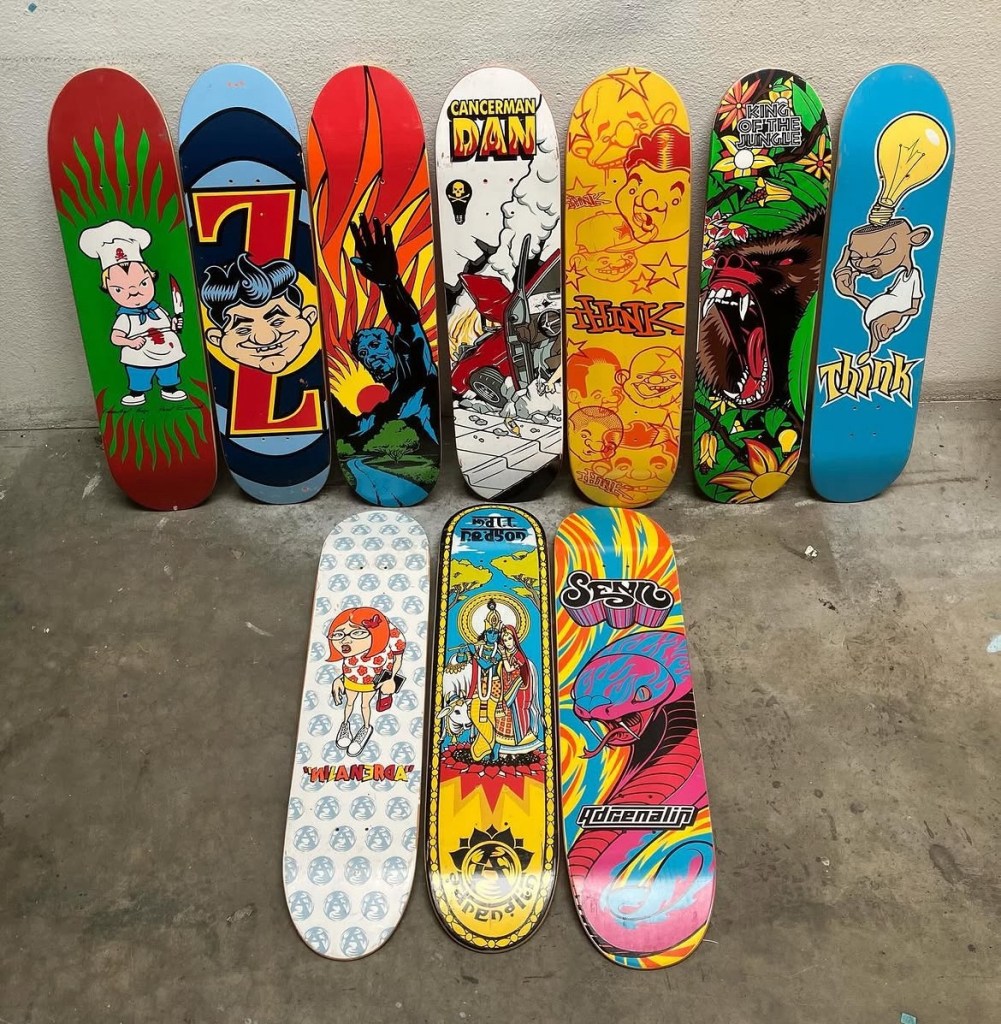
During festive seasons, my family would gift me spray cans, they’ve always been supportive of my art. In my early days, I also did work for brands like Burton Snowboards, Tribal Gear, and Think Skateboards.
We’ve noticed you shred track bikes as well, and we’ve come across some of your artworks inspired by that scene. Has fixed-gear cycling been a part of your life since you moved to San Francisco?
Yes, that’s right. It all started in San Francisco. My graffiti writer buddy, SOPE, was a bike messenger and introduced me to fixed-gear bikes. He taught me how to skid and I remember thinking, what in the world? A bike with no brakes, and you had to skid to stop? HAHA.
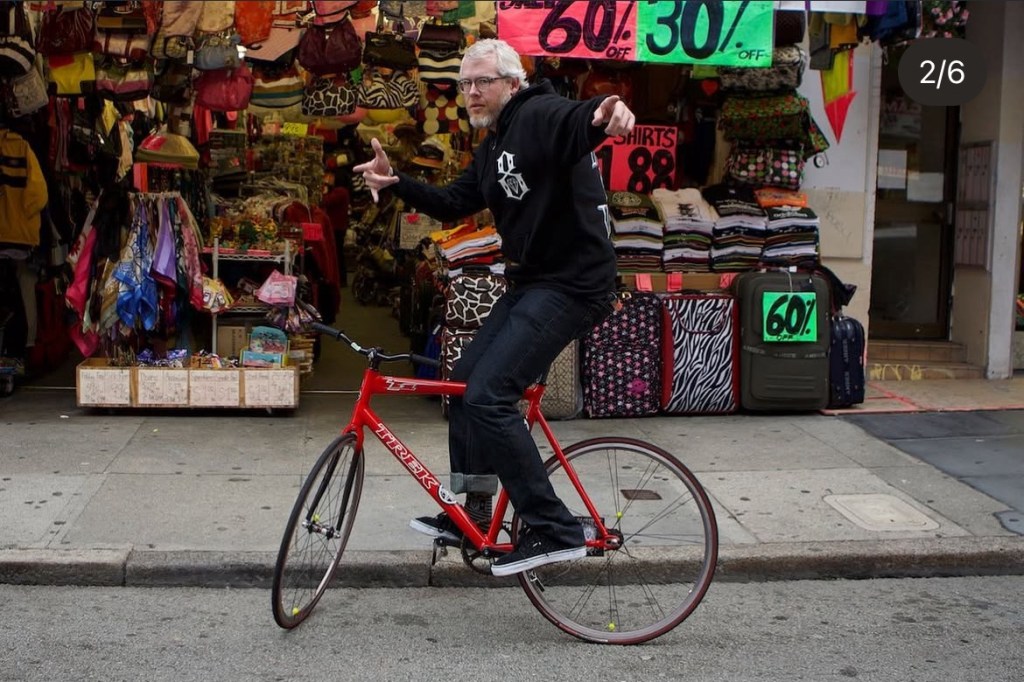
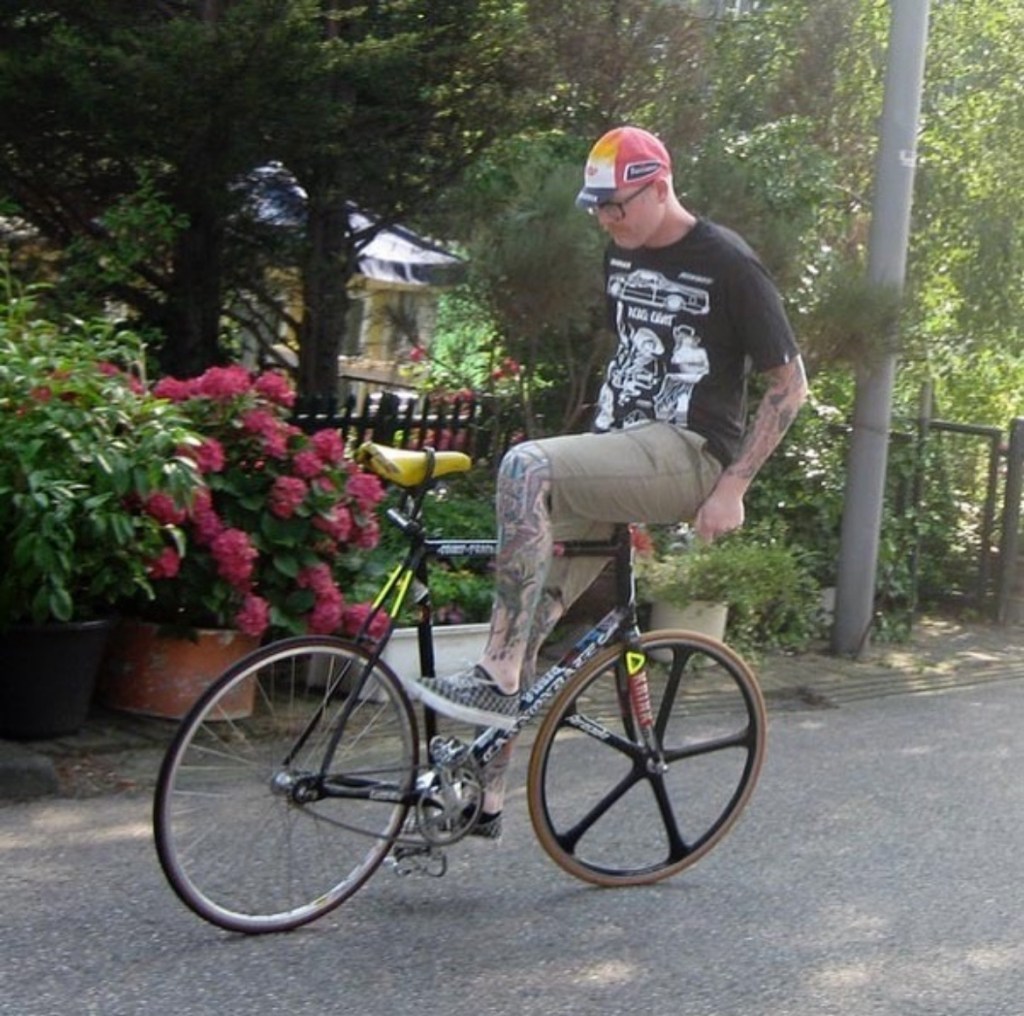
From there, it became a lifestyle. I had already started tattooing, and I’d trade tattoos for bikes and parts. I love riding fixed gear, it puts me in a state of zen. There’s nothing like bombing hills, especially in San Francisco.
Over time, I also had the opportunity to collaborate with bicycle brands like Trek Bicycle Corporation, Cannondale, and Cinelli.
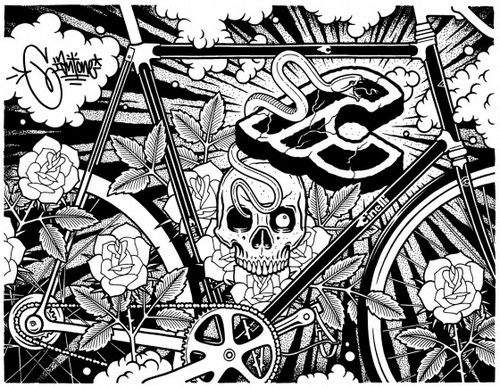
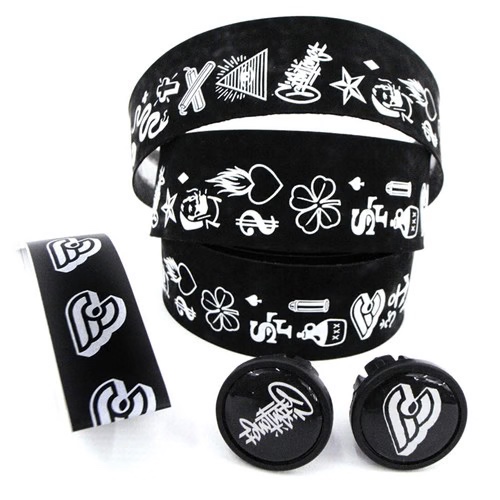
Could you share a bit about your journey with Think Skateboards?
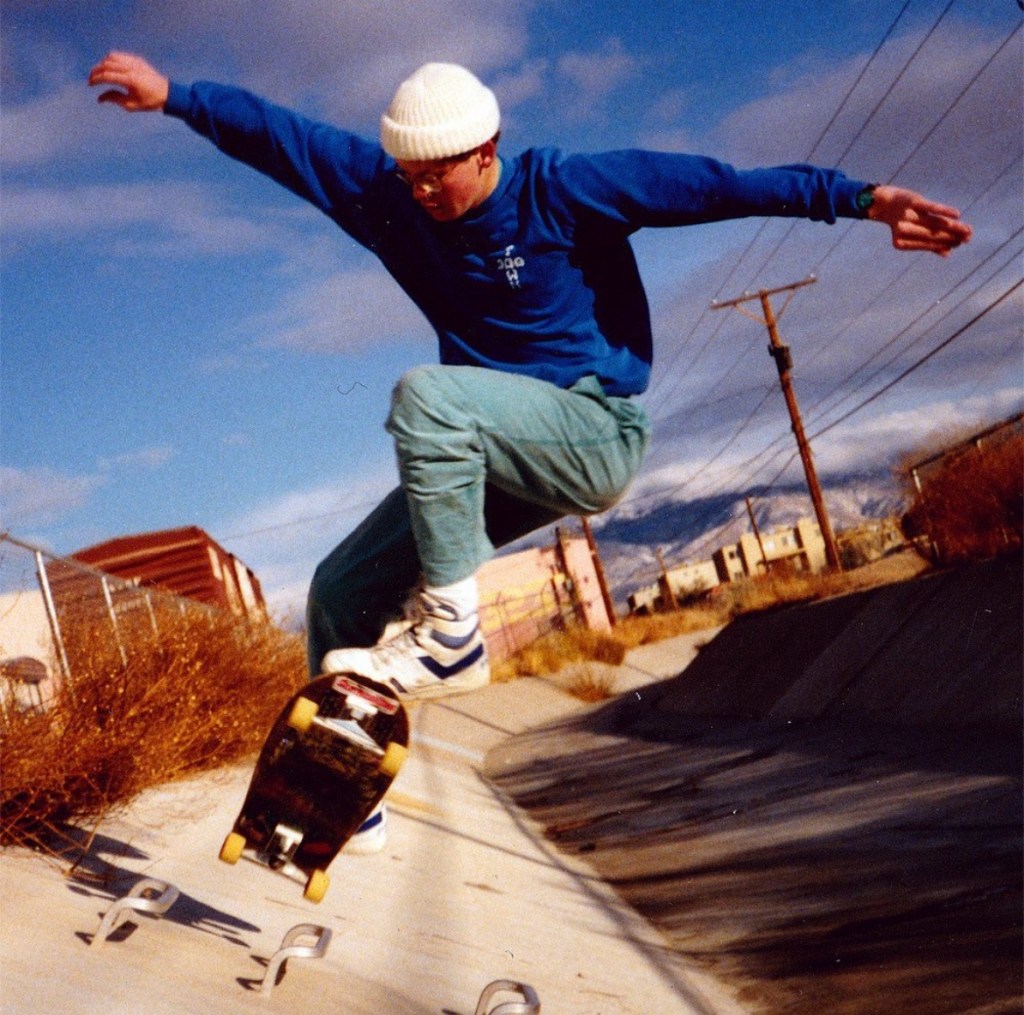
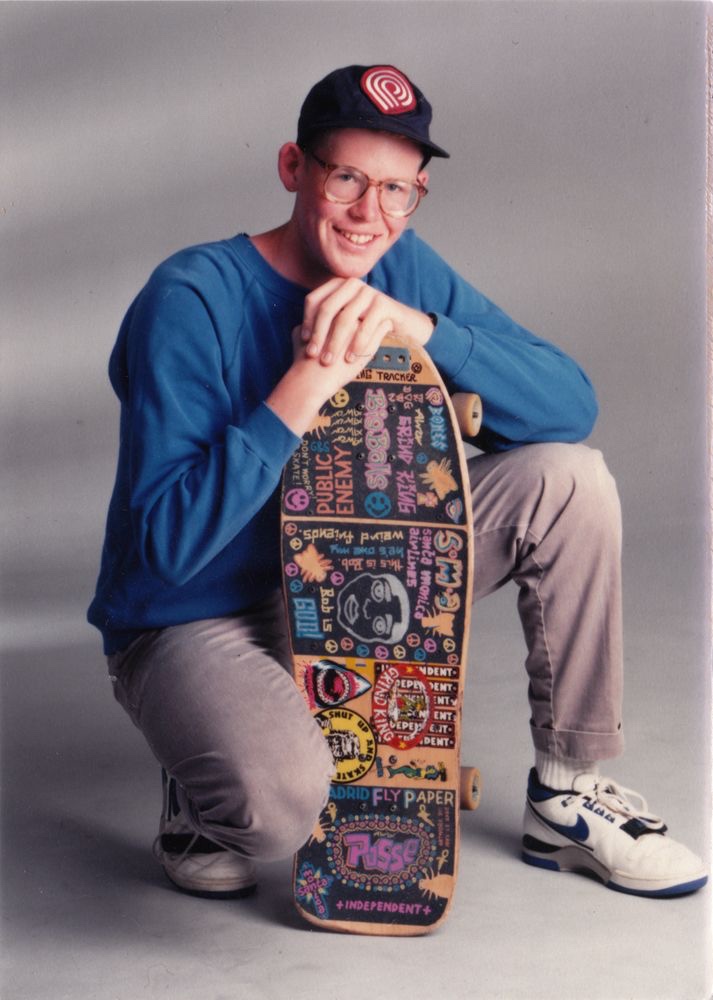
I once worked at a skate shop in Albuquerque as a skatepark manager. The shop was called Beach Zone. We carried skateboards, snowboards, swimwear, and a mix of other gear. Part of my job was ordering decks from different skate companies, and one of them was Think Skateboards.
Sometimes the graphics weren’t that strong, and the boards just wouldn’t move , we’d end up putting them on sale. I remember casually telling the sales rep from Think that I could design better graphics for them. He was open to it, so I went home, made some drawings, xeroxed copies, slipped them into an envelope, and mailed them out.
A week later, I got a call saying they loved what I sent. About a year after that, they offered me a full-time position. The same sales rep even had a spare room for me in San Francisco. I packed up, moved out there, and started working with them, that was in 1993.
How did you and Josh decide on the name Rebel 8 for the brand?
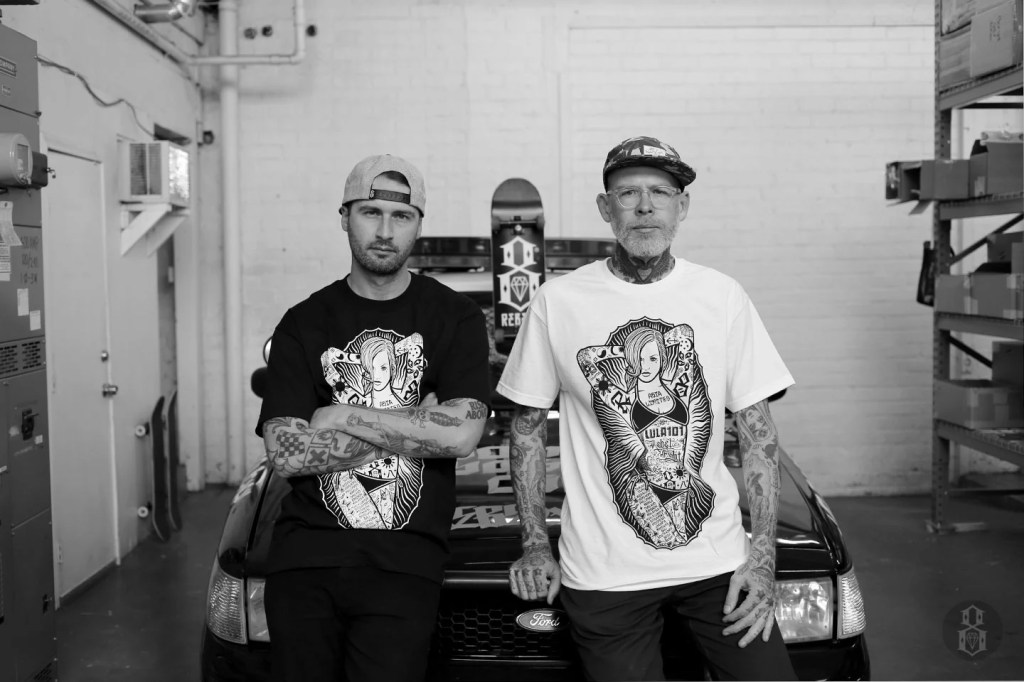
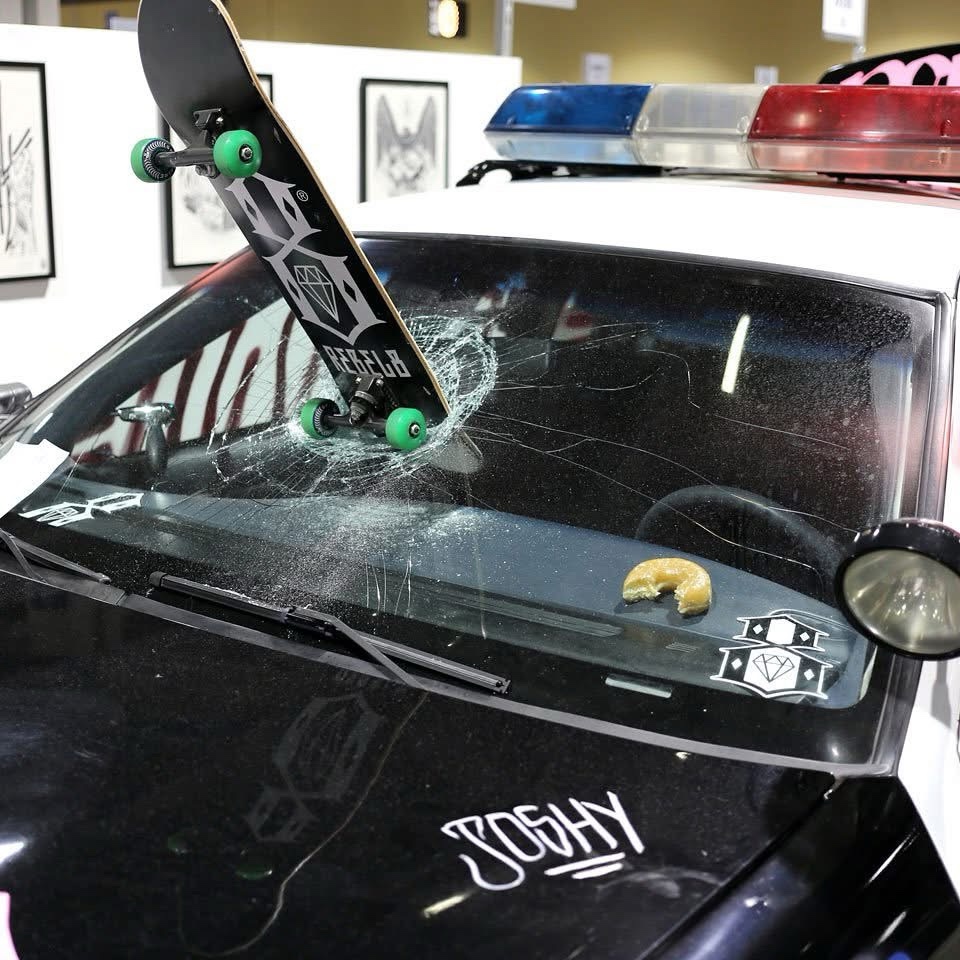
Rebel 8 started in 2003. Josh was scribbling random names on paper, trying to figure out what felt right. Back in the rave era, a lot of notable names ended with the number “8.” When Josh asked me if that mattered, I told him it didn’t, what really counts is what we do, not how the name looks.
I remember having a similar conversation with Nicky Diamonds in a car once, same idea, different moment.
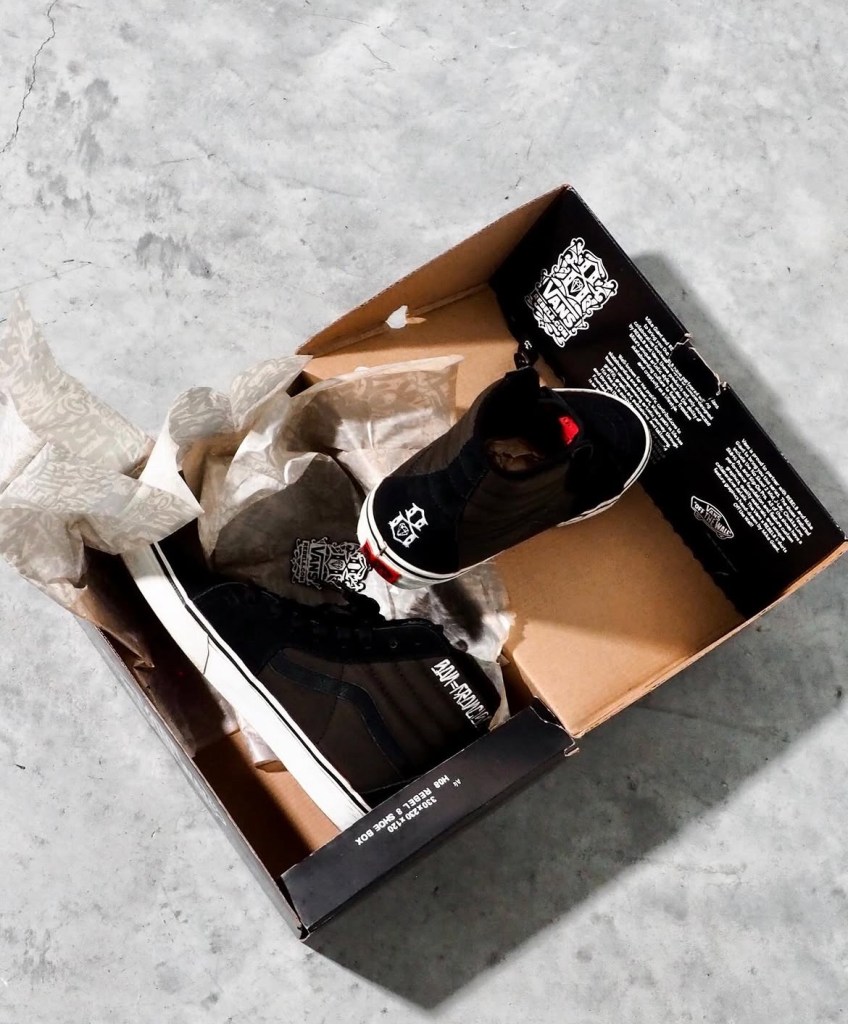
Can you tell us more about the Vans shoe collaboration?
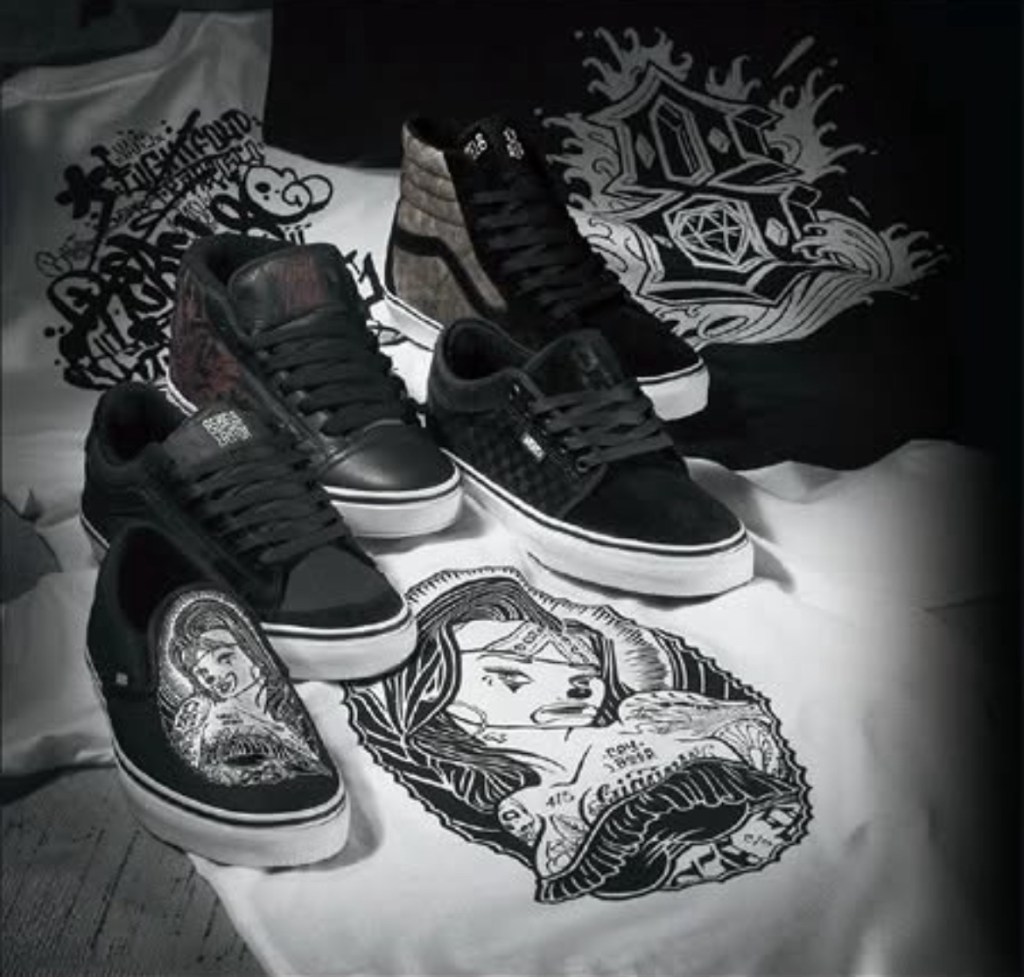
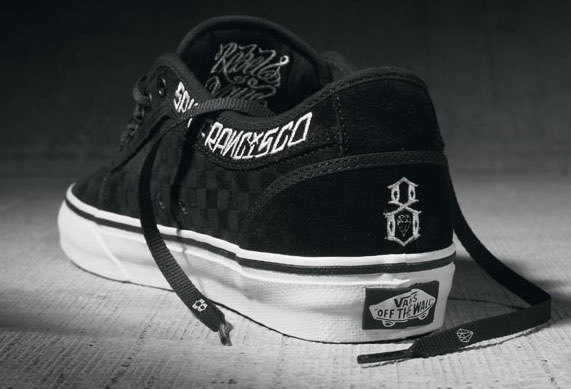
On our end, it was incredibly fun because they really encouraged us to go wild. We were given the freedom to experiment with materials and push our creativity as far as we wanted. For all our collaboration pieces, we stuck strictly to black and white, that became our statement.
Getting window displays across different countries, in shopping malls and inside Zumiez stores, was huge for us at the time. It felt like a major moment.
Sales-wise, though, it didn’t perform as well as we had hoped. But what meant a lot was that the employees were buying the pieces themselves and actually wearing them. Whenever we flew out for their annual events, the staff would be rocking our gear and wanting to meet us, that was surreal.
It was frustrating not seeing the numbers we expected, especially since Diamond Supply Co. was really thriving then. Their products were stacked from the top shelf to the bottom, and we’d joke, “Could we be next?”
At that time, they were connecting with the everyday kids in a big way, while Rebel 8 was still new to the public. People were probably still trying to figure us out, were we punk-influenced? Underground? Somewhere in between? We were still defining our identity.
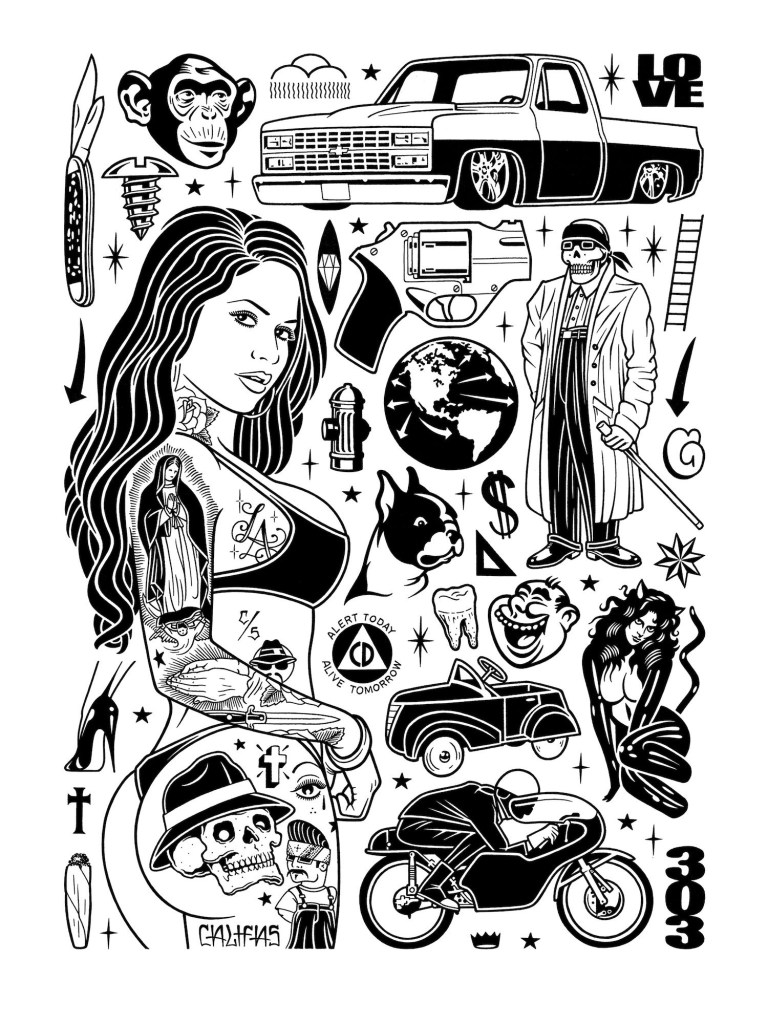
When did you start developing your clean line drawing style, and has it always been in black and white?
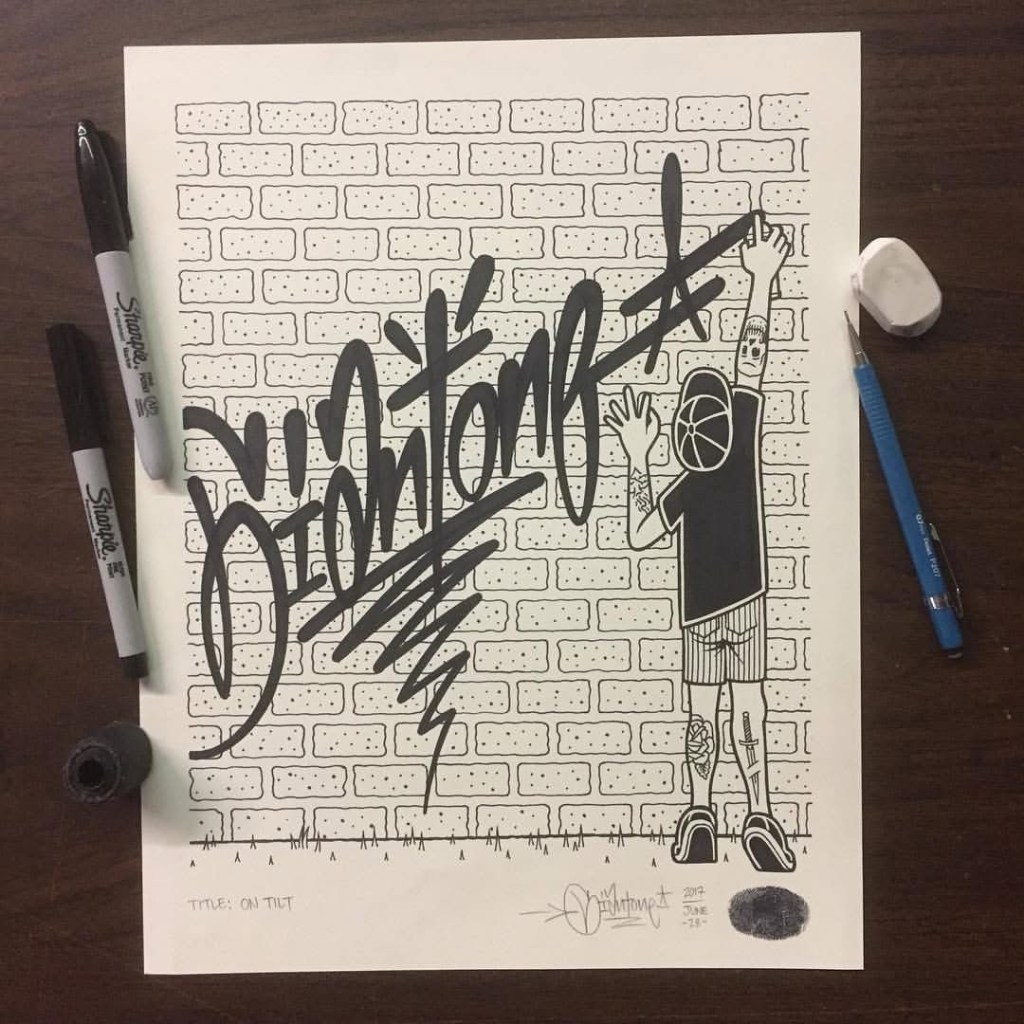
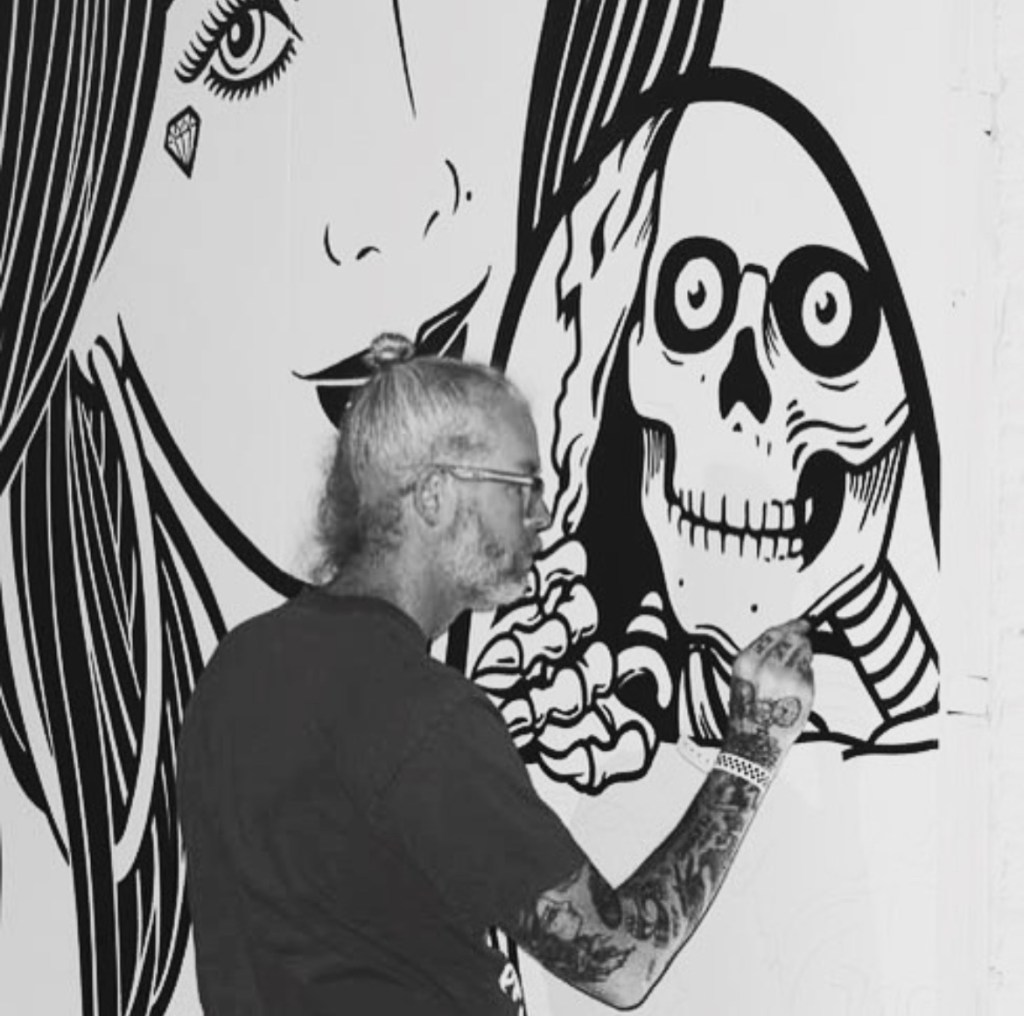
I’ve always liked how things look without color. Part of that comes from the fact that I’m color blind, so I naturally gravitate toward simpler presentations and graphic styles.
I’ve always loved comic books, cartoons, and album covers, bold lines, strong contrast, and imagery that speaks for itself without needing a full spectrum of color.
As an artist from San Francisco who was deeply involved in the scene and culture, how was your relationship with the late Keith Hufnagel?
I’ll probably always be seen as a San Francisco artist, and I’m perfectly fine with that, even though I’ve since moved away. But I have to give credit where it’s due: Jeremy Fish is truly an icon of that city.
And yes, I wore HUF, never got hooked up, I paid for everything myself, haha. I’d run into Keith at the shop or sometimes out skating on the streets. We talked about doing a collaboration a few times, but somehow it never materialized before he passed.
Still, I’ve always loved HUF’s clothing. The quality was solid, and it spoke for itself.
You once moved to London to pursue tattooing, were there significant differences from what you usually did in America?
I actually hadn’t started tattooing yet when I first moved there. At the time, I was deep into drum and bass and jungle music, thinking I might design artwork for record labels instead. But I was only there for about six months before heading back to the United States.
After which, I worked at an adult bookstore, honestly, it was awful. Probably the worst job I’ve ever had. A friend also brought me into some computer animation work, which at least gave me a creative outlet.
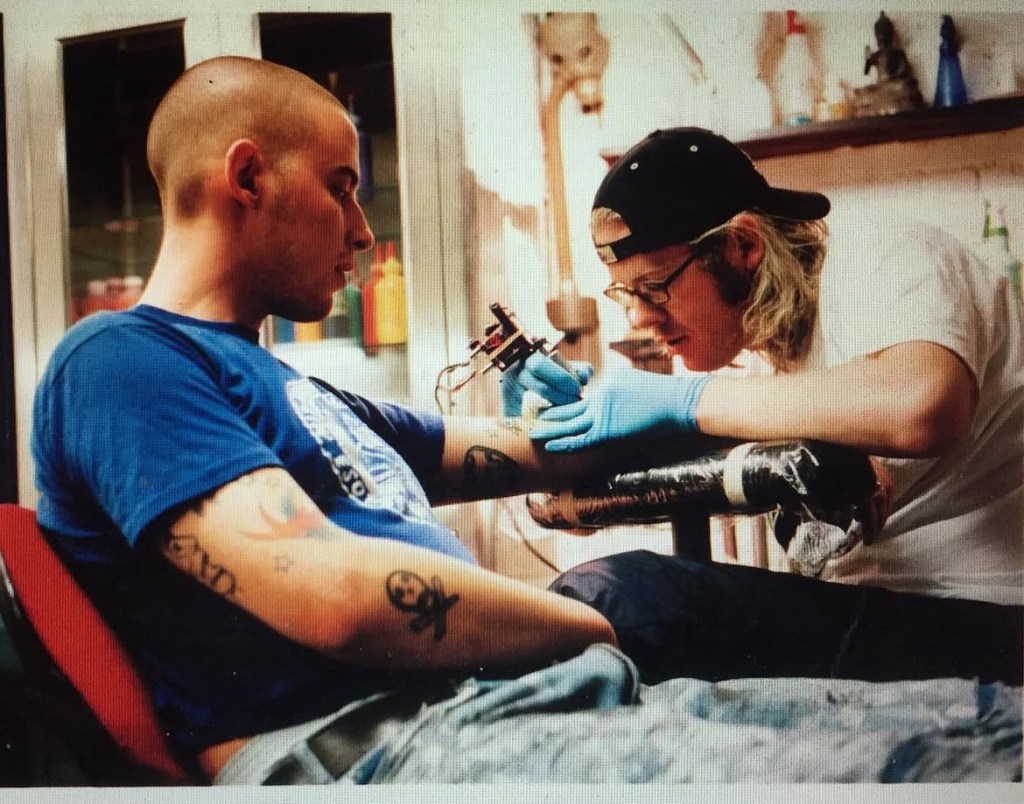
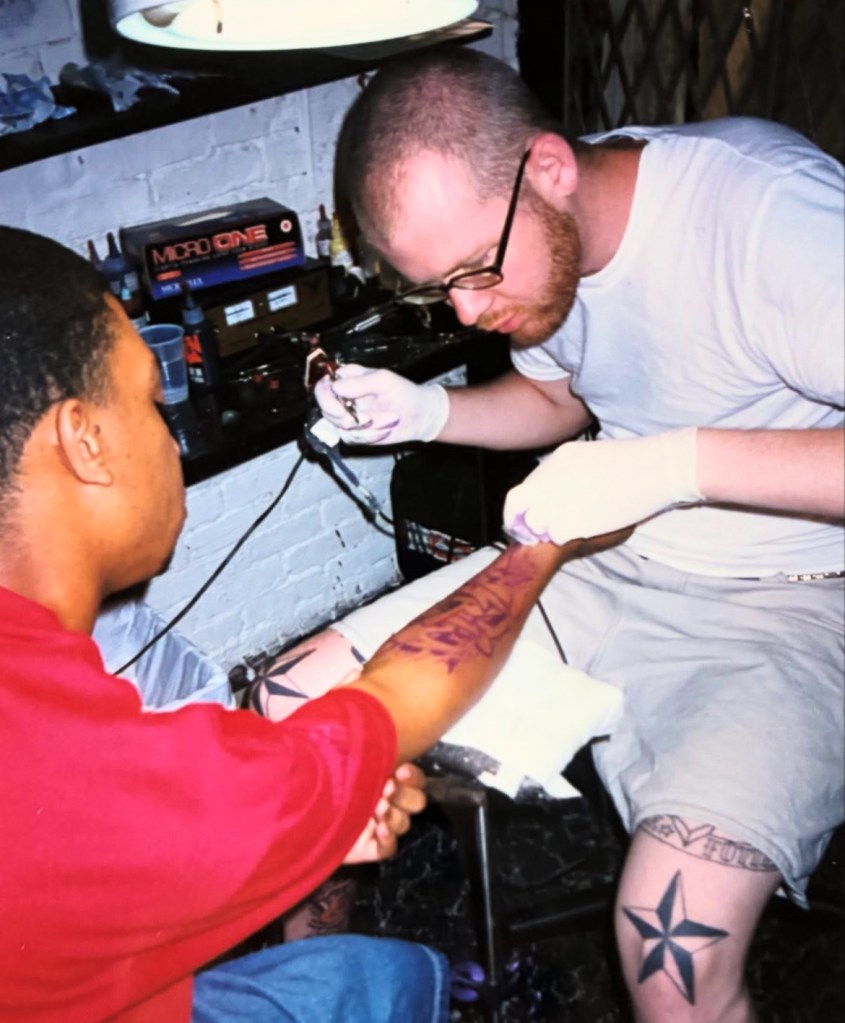
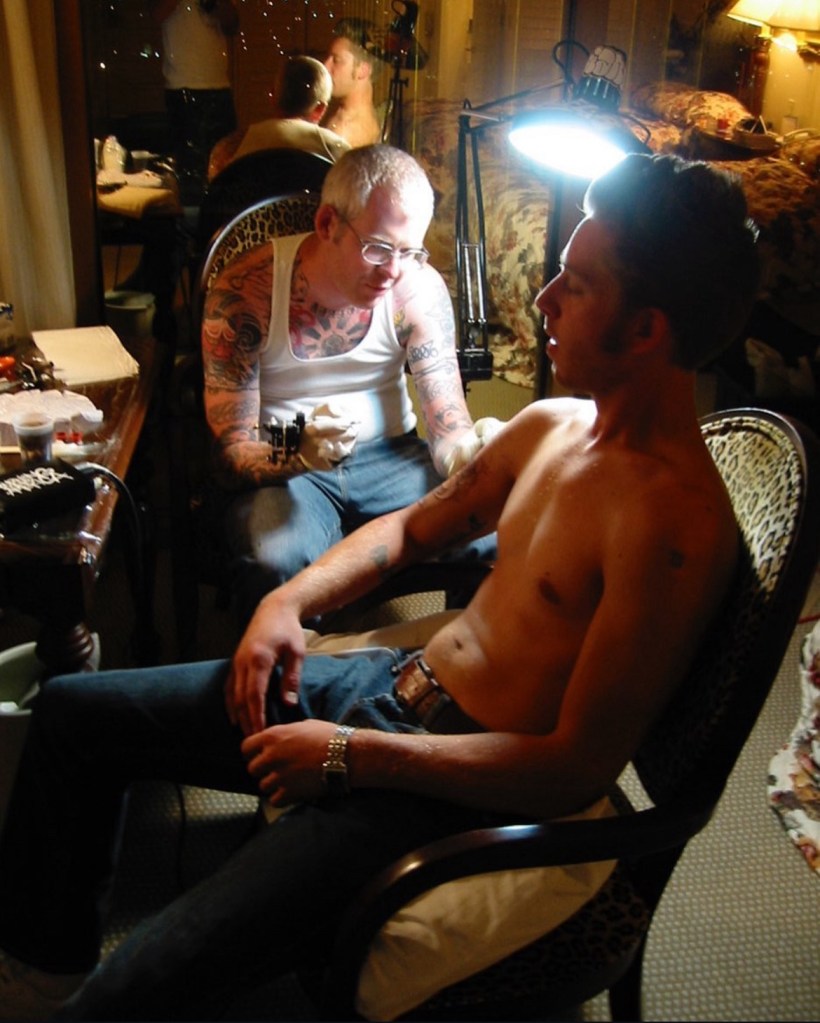
Eventually, I asked my mentor if he would teach me how to tattoo. The issue was that in order for me to become his apprentice, he needed to have his own shop and at the time, he didn’t. Years later, he bought one in New York City and called to ask if I was still interested.
That’s when I began tattooing full-time.
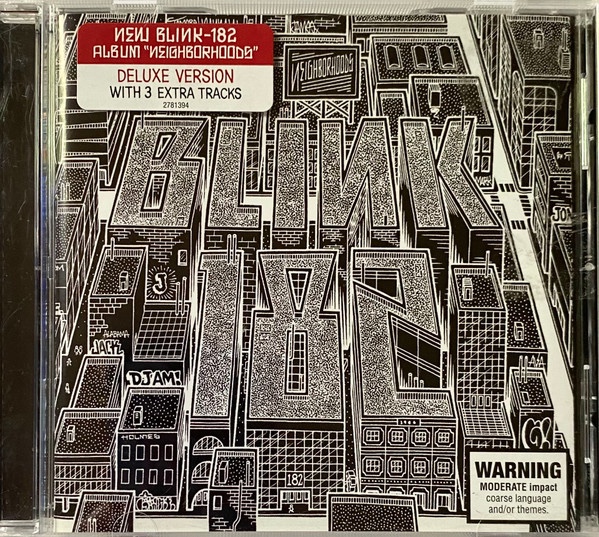
I would not missed to ask you this, but how you managed to design a cover art for Blink 182?
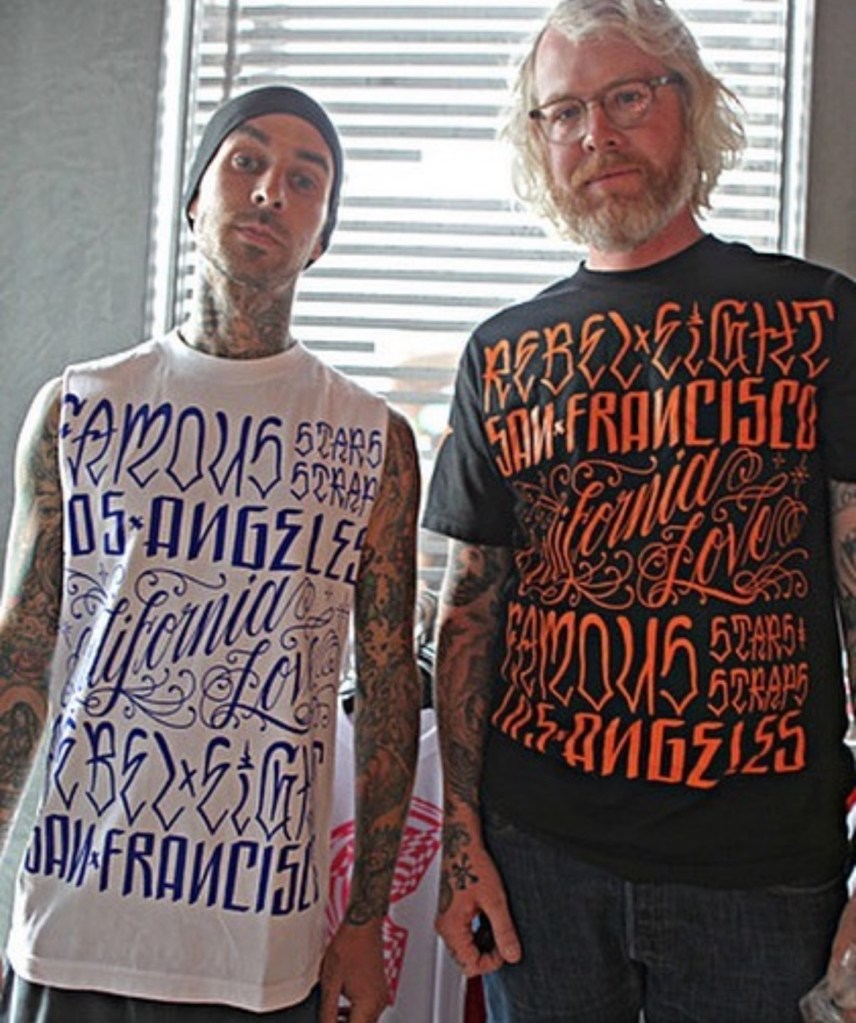
We first connected through a collaboration between Rebel 8 and Famous Stars and Straps, and later through a Vans campaign at Travis Barker’s store in Los Angeles.
I ended up tattooing him at his studio in Hollywood, and we hung out quite a bit after that. He’s a loving husband and father, a genuinely positive guy to be around.
What would you say to aspiring artists and creators starting their journey?
Share your work, and share how you do it. People are just as interested in the process as they are in the final outcome.
Sometimes things don’t turn out the way you planned, but something even better can emerge from it. Stay open. An open perspective is everything.
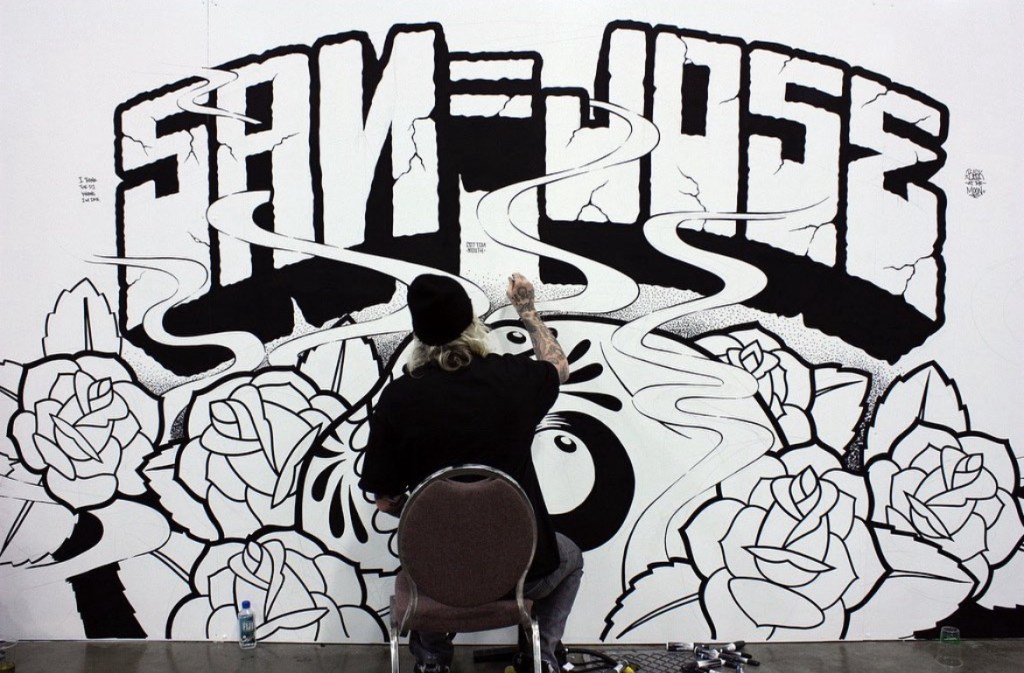
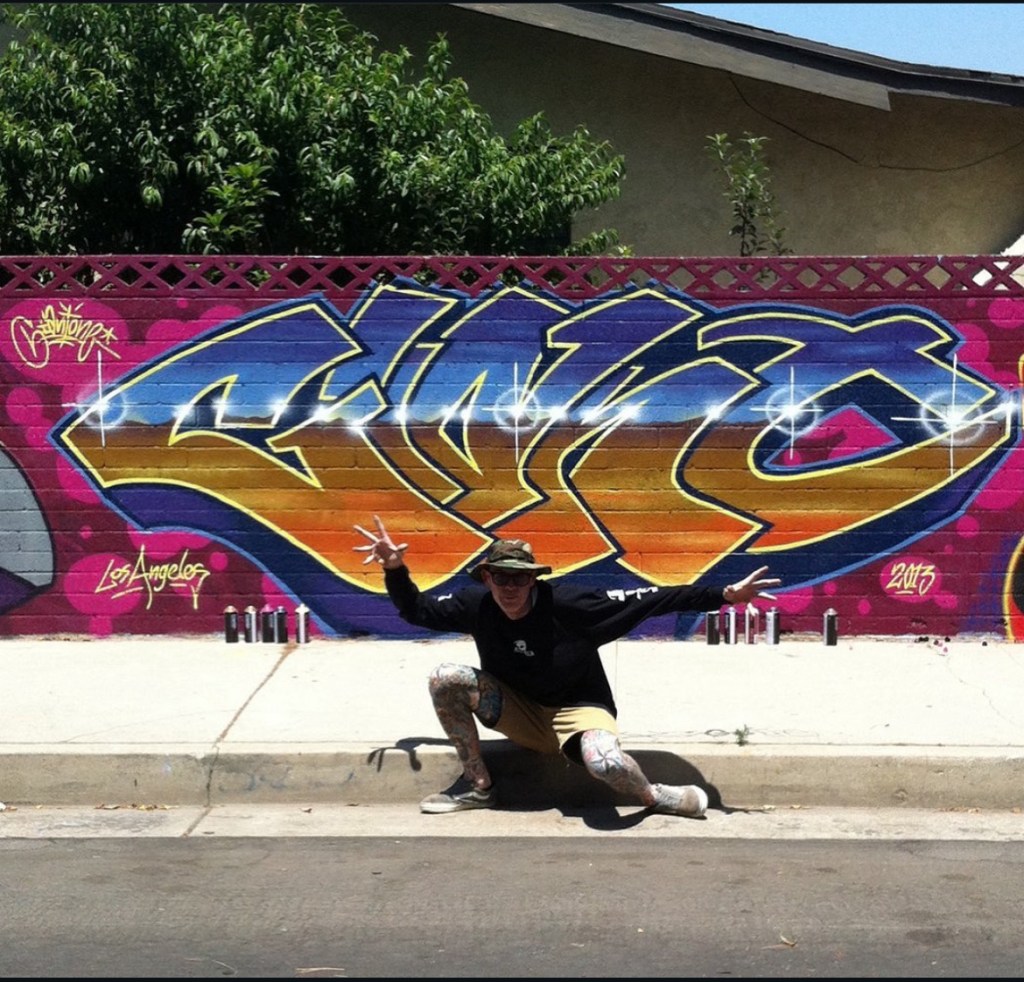
Image courtesy of Heyryank.
Interview with Mike Giant by Yoji Afura.
A Suave Cartel Media original series “SPEAKING WITH”
 suavecartelmedia.com