During the early 2000s, Singapore experienced its peak in the growth of various subcultures. These movements, including skateboarding, breakdancing, and underground music, first emerged in the late 1980s. It brought a vibrant and diverse cultural movement. Many millennials witnessed these scenes emerge and evolve, shaping the local youth culture and creating a lasting impact.
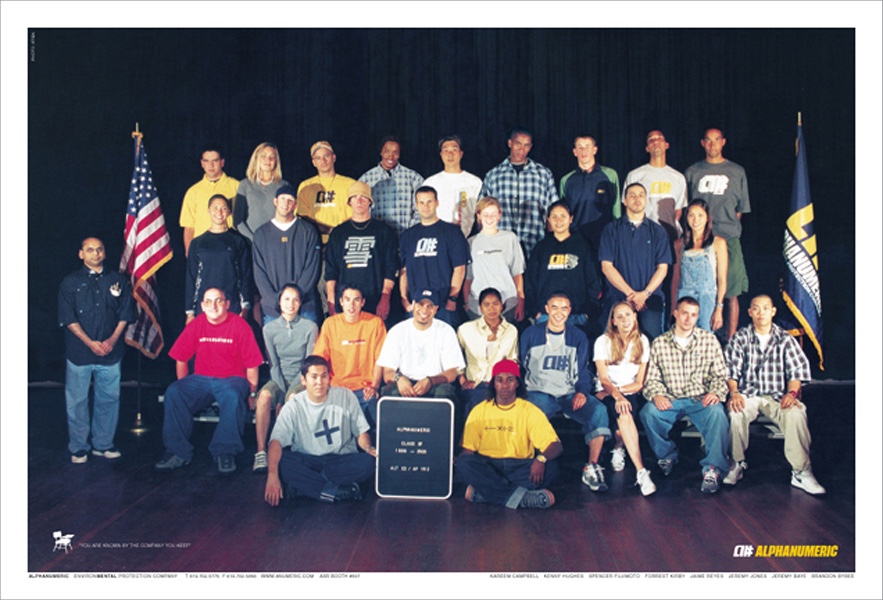
Skateboarding companies have played a significant role in shaping not only skateboard components but also the apparel and fashion embraced by skaters, which is now known as “Streetwear.” While many skate brands produce similar styles, one caught my attention for its unique approach. In terms of art and design, it appears very futuristic. Instead of typical heavy graphic design, it features subtle, minimalistic blueprint-style drawings of their branding and car parts. The apparel is crafted with high-quality technical finishes. Back then, our main sources of exposure to such stuffs were skateboarding and Japanese streetwear magazines. Alphanumeric stood out and made waves among skaters and streetwear enthusiasts during that era.
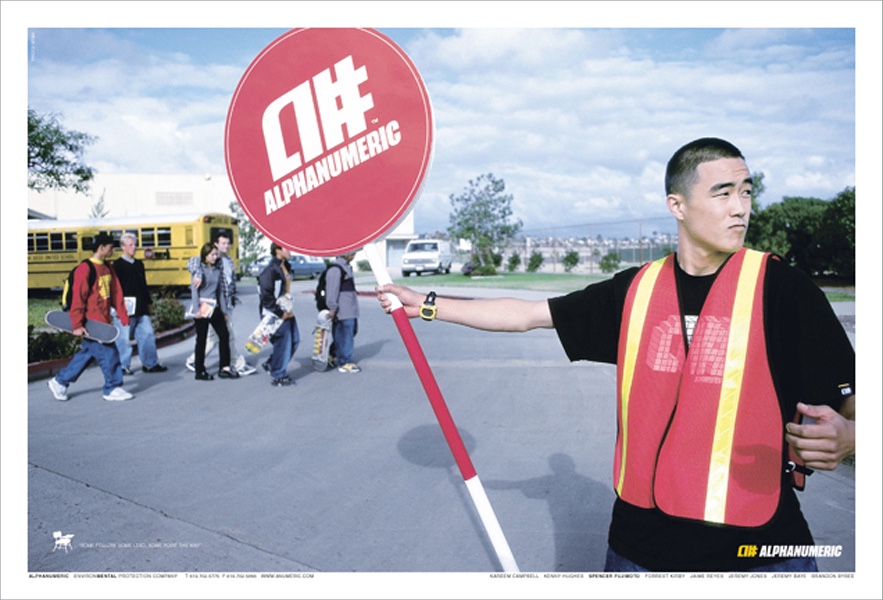
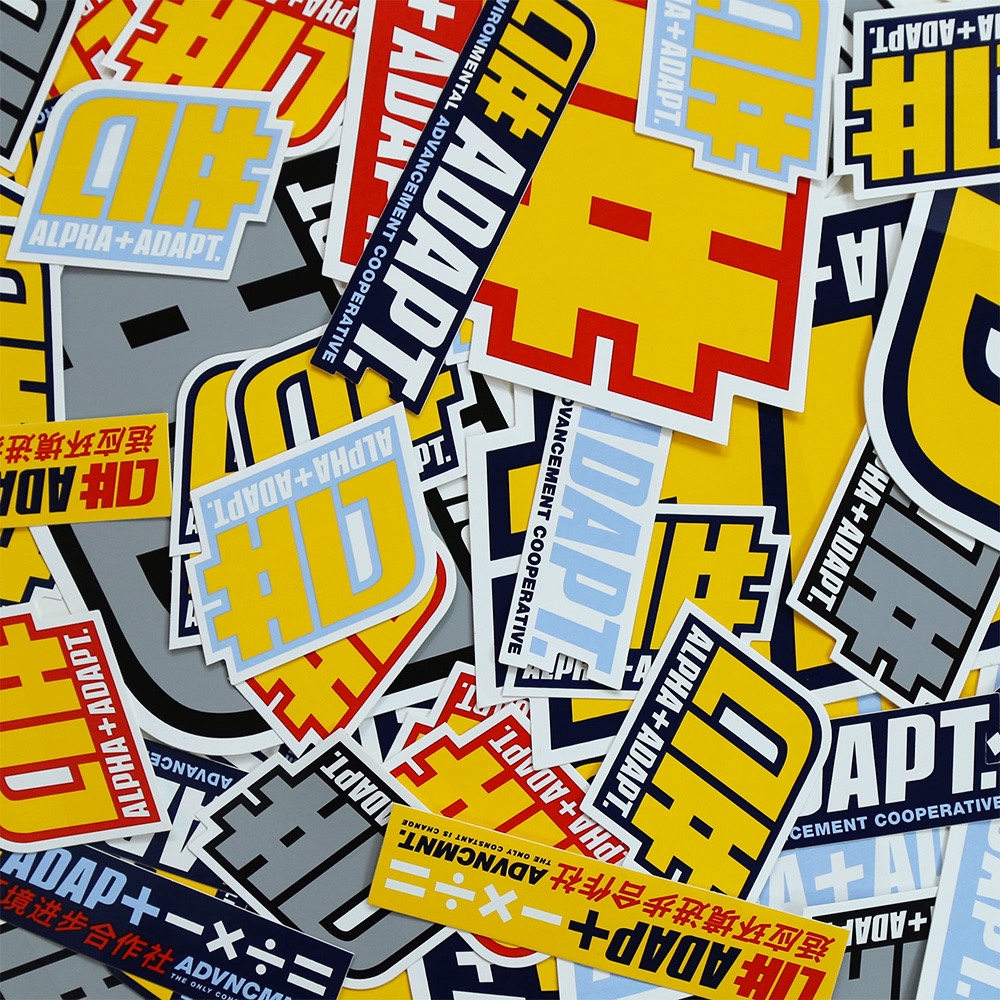
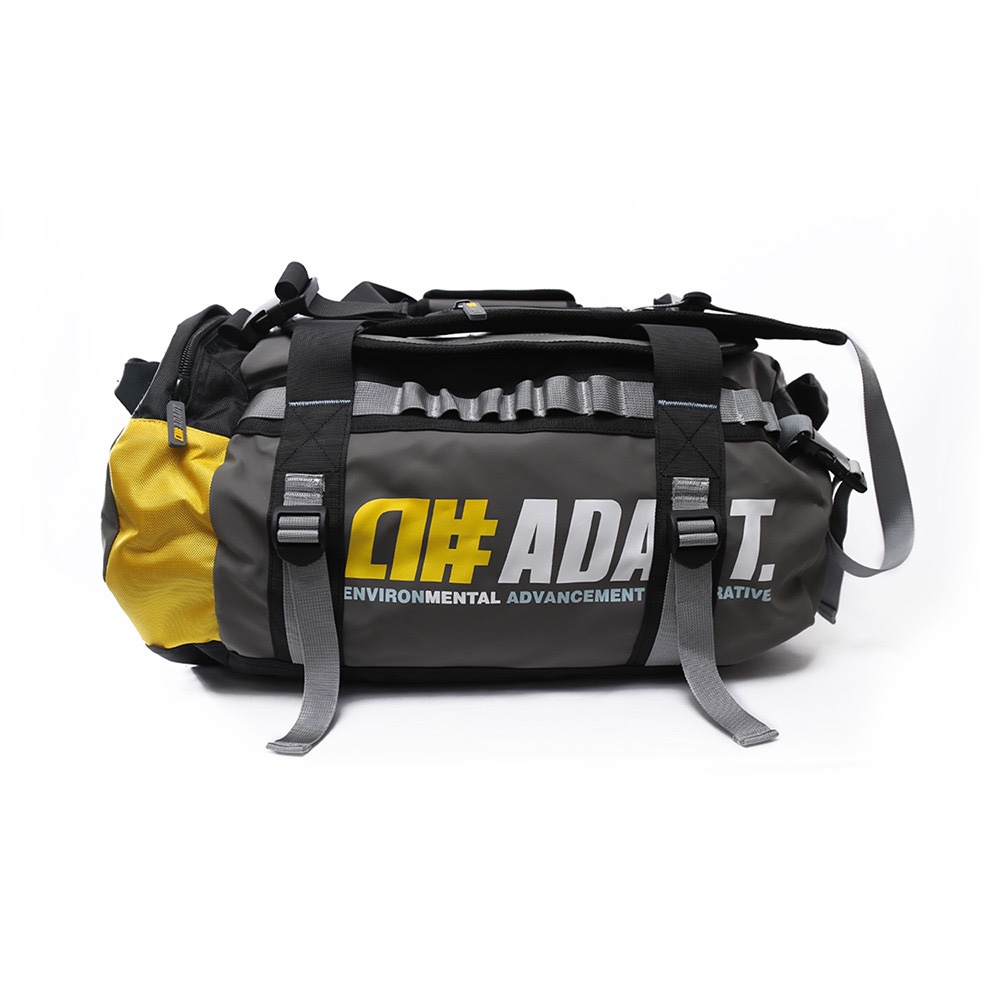
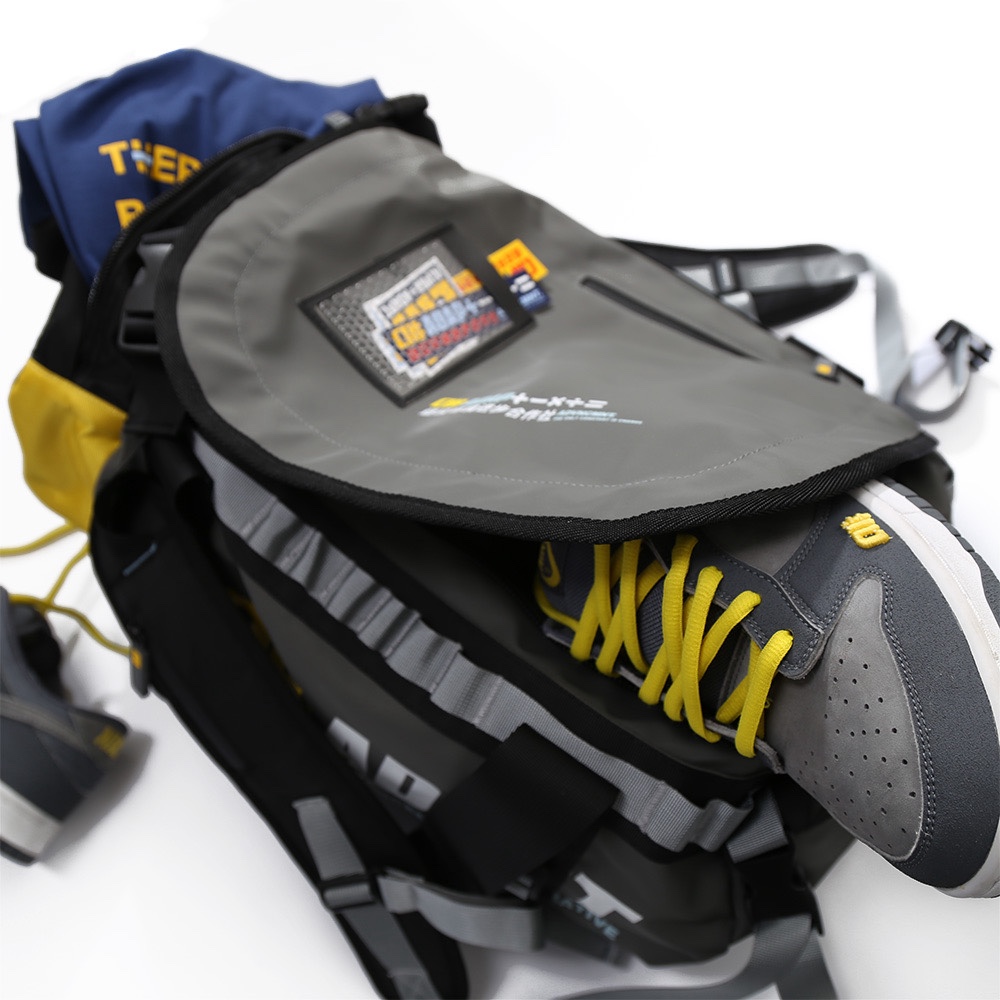
It wasn’t the popular brands you usually find at your local skate shops, It was a hunting game. While I managed to pick up a few T-shirts, cargo shorts and denim pieces, I missed out on the Alphanumeric x Nike Dunk Low Pro B collaboration, the pair that paved the way for the birth of Nike SB Dunks. Back then, resources were scarce, and a broke 14-year-old boy simply couldn’t afford it. Fast forward to today, social media has made it easier to revisit archival stories and products. That’s what led me to the Alphanumeric 1998 page on Instagram. Discovering this page felt like walking down memory lane back to 2000 all over again. To top it off, Alphamnumeric 1998, along with Alyasha, the founder of Alphanumeric, announced a special collaboration drop with Adapt Clothing from San Francisco. Founded by Evan Lessler, who also manages the Alphanumeric 1998 archive page. That’s how we connected and started talking.
Hey Evan, let’s start with a quick introduction of yourself!
My name is Evan, and I am a designer with a love for all things creative. I operate a clothing company called Adapt based in San Francisco, California — we are soon to be in our 23rd year in business.
How’s Adapt and Gold Blooded doing?
Adapt continues to be enjoyable as well as a great creative outlet, most recently with this Alphanumeric collaboration. I think collaborations in general are some of the most exciting projects to work on as we have to make different and interesting design and aesthetic considerations depending on our partner(s). The Gold Blooded brand is an arm of Adapt that has taken on a life of its own, and it’s been really fun to foster its growth.
We saw how Alyasha exposed you in a recent Alphanumeric x Adapt collaboration post on who’s behind Alphanumeric 1998 archive page, was it a good thing!? 😉
Haha, I never was intentionally not exposing myself on the page, it was more that the purpose of the page is to showcase vintage Alpha and so it’s not particularly relevant who I am. But if people asked me via DM, etc. I would tell them. I’ve looked up to Aly since the time I knew he was behind Alpha and so I do appreciate the acknowledgement from him, it was definitely a full-circle moment for me personally.
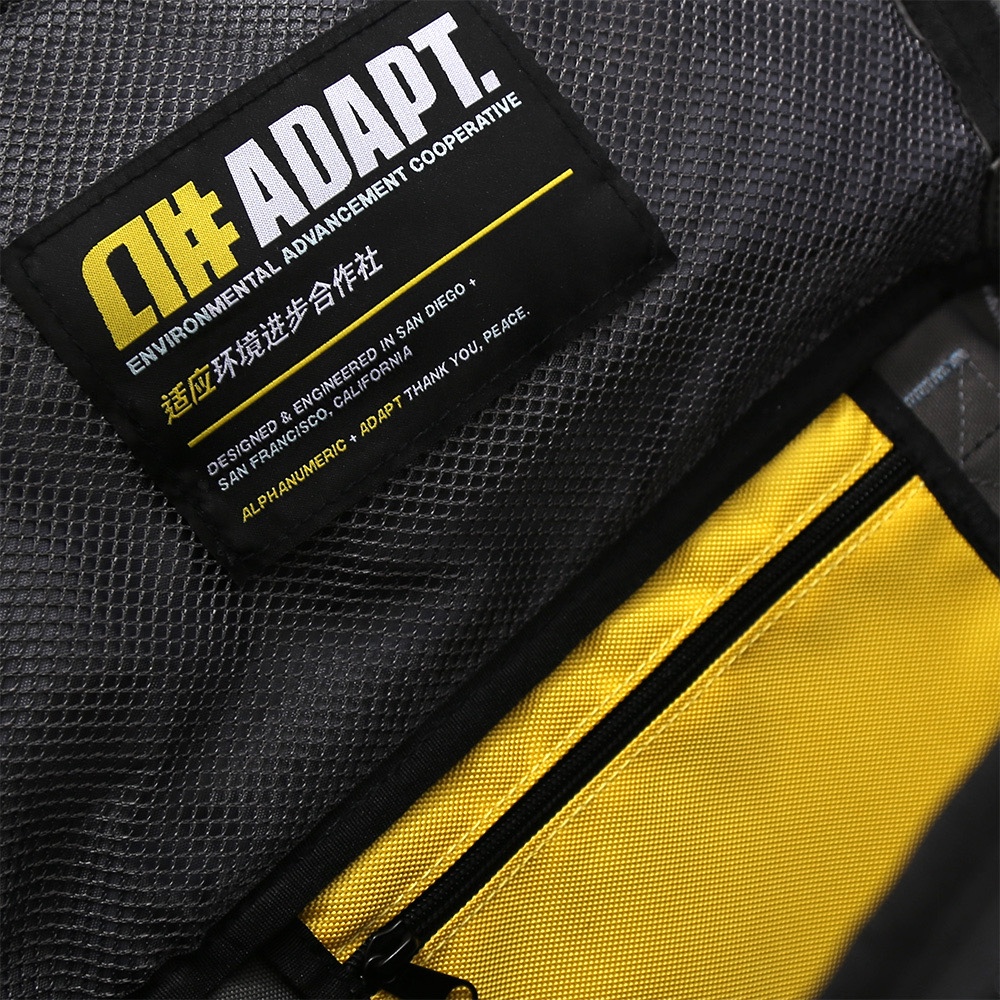
Tell us more on how the collaboration happened?!
The collaboration was something we had been discussing on and off for some time but had never materialized until now, and I think that was a good thing. Because of the importance that the brand holds to me, if Adapt was to collaborate with Alpha I wanted to ensure that I was able to fulfill both the manufacturing and design requirements to a level commensurate with what I would consider to be on par with the original products. Anything less would not be worth doing nor paying proper homage (in my mind) to the brand, and I think fans of Alphanumeric would see that pretty clearly as well. So I think it was right that it happened when it did and I’m pretty happy with how things came out — the response from followers of the Alpha page as well as general supporters of Alyasha’s creative pursuits has been really positive.
How did the whole Alphanumeric 1998 archive page on Instagram came about?
I have been a fan of Alpha since probably 1999-early 2000 when I first came across it (I can’t claim to have been there right at its inception in 1998), and have been collecting it ever since. So at the time I began the page 10 years ago, I had amassed a pretty good collection. The feeling for me was that the recognition the brand held in the greater streetwear landscape was not in line with the design quality of the actual products, meaning I felt that it was basically under appreciated by a wide margin. This may or may not be the actual case but that’s how it seemed to me, since I was one of the very few people I knew that were fans of the brand. So the page was a way to show our followers products and designs they may have never seen before while paying homage to a brand that was so meaningful to me. It also conveniently served as a way to catalog and organize my collection.
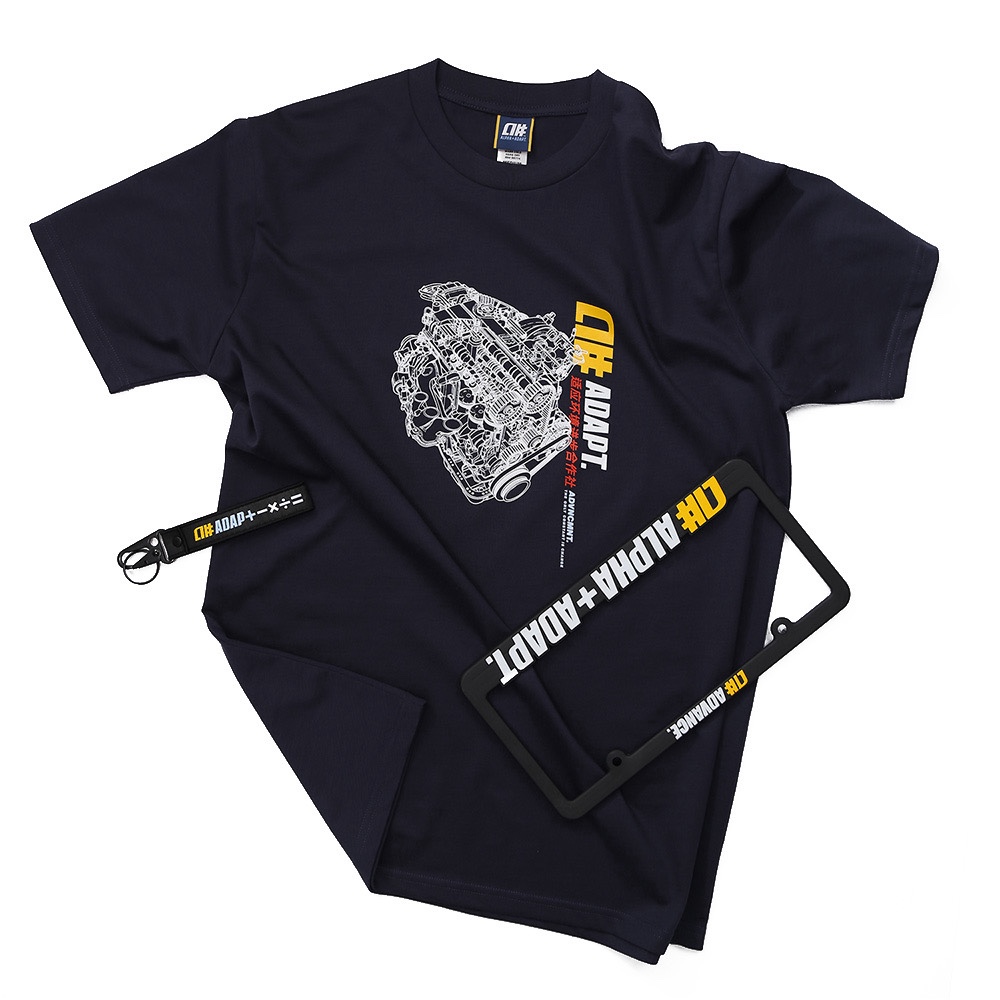
How was it like working with Alyasha Owerka Moore?
I think I have a pretty good understanding of Alphanumeric’s design language, so there wasn’t a lot of friction in regards to the direction of the collaboration. He’s one of the main models for me in terms of my own design sensibilities and so it was thankfully a really great experience throughout. Those stories of interacting/working with your heroes in the real world and them falling far short of expectations was thankfully not the case here.
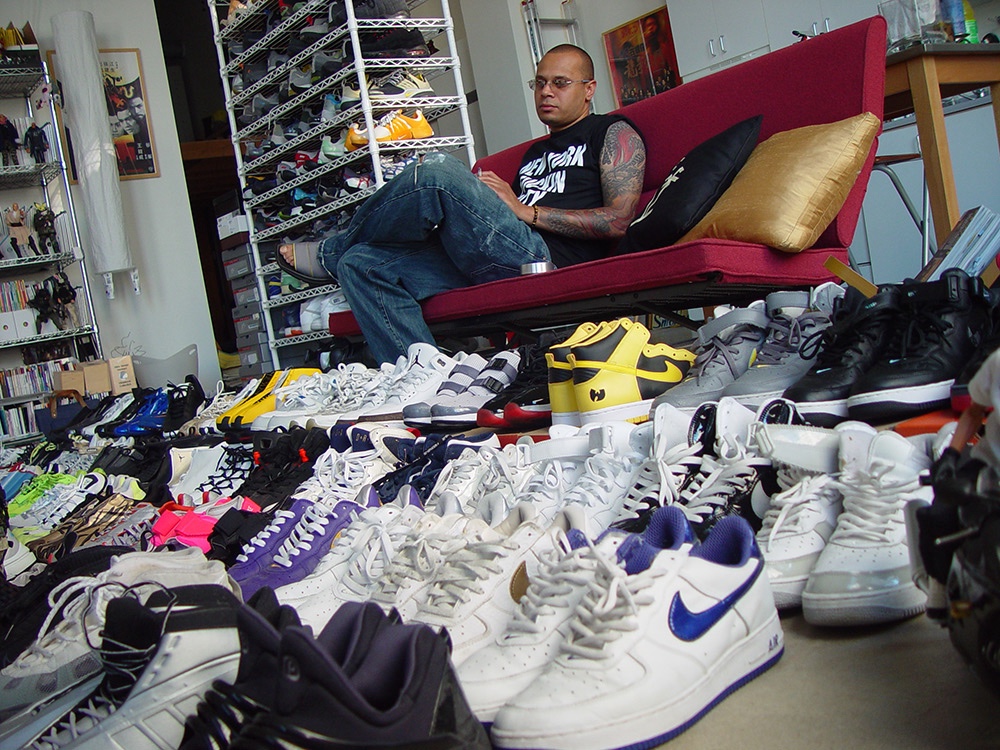
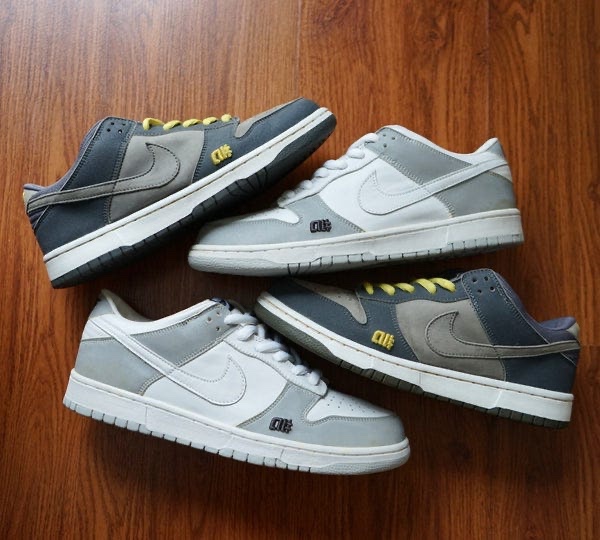
Do you own the Alphanumeric x Nike Pro B Dunk?
Yes, and in my size! Finding those pairs was a big moment for me.
Alphanumeric has been a skateboarding brand that were different from any other skate brands at that time, how you started to be a fan yourself?
Alpha to me was always an innovator in this space because they approached the industry in a manner contrary to a lot of other brands. For one, while they were a skate brand they focused on other areas of interest such as snowboarding, surfing, DJ culture and automotive culture, via their sponsorships as well as their marketing. Their team riders were also noticeably more ethnically diverse, something that was apparent to me pretty much from the beginning. I am of mixed race and I think that component really spoke to me as someone who has lived somewhat ambiguously in that space over the course of my life. And this is not even speaking on the garment design side of things, of which they really paved their own lane and were doing things design-wise that nobody else was. So for these reasons I was pretty instantly a fan.
You’ve been running Adapt brand for more than 22 years, what’s your take on the current era of streetwear?
It’s been really fun seeing styles and trends come and go, which is the ebb and flow of fashion. I think for me personally, a lot of what I see is today is not particularly interesting and probably why much of what Adapt creates as a brand is nostalgia-based or referenced from my own past experiences and influences. But that doesn’t at all mean that there aren’t great brands and that cool things aren’t being done, it’s just that they don’t fit my personal tastes as much — which is probably how it should be.
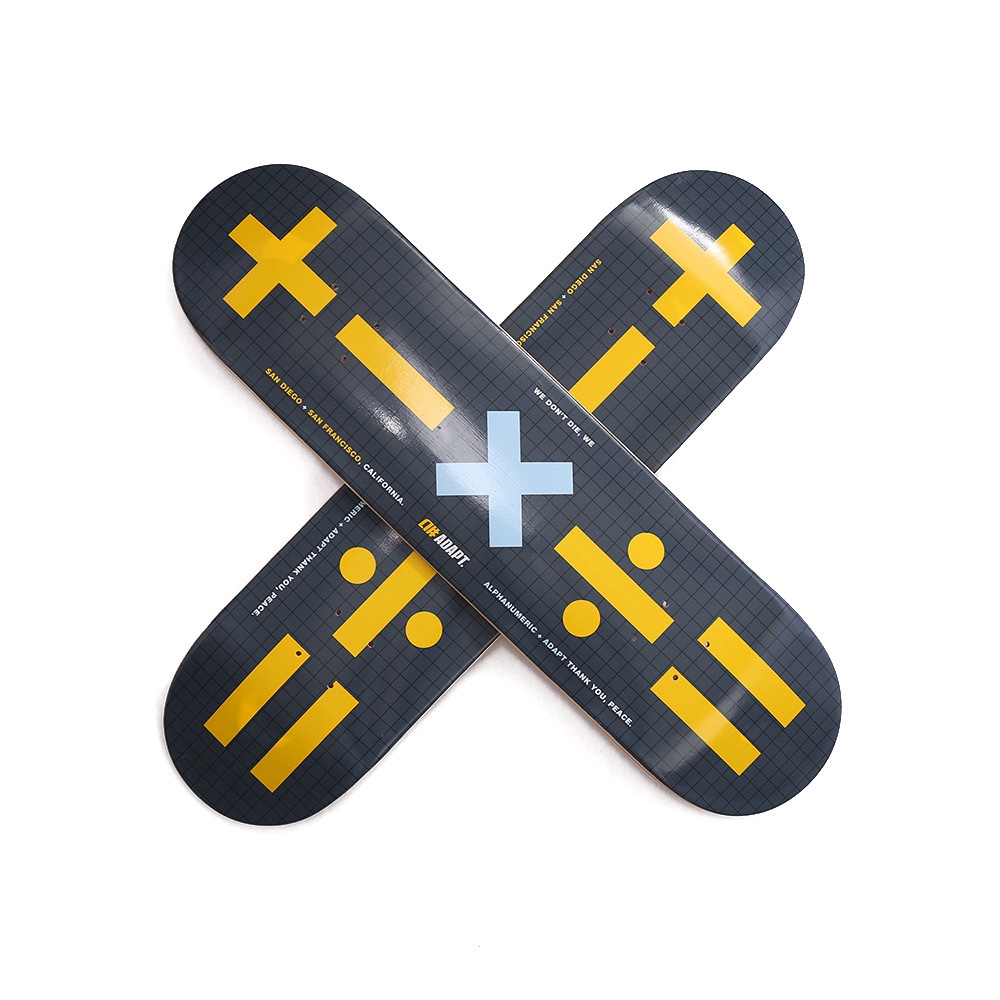
How’s the San Francisco street culture scene today and in the past?
The majority of my love of graphic art, graffiti, etc. comes from growing up frequenting SF and particularly chinatown. So many of my aesthetic considerations I think are San Francisco-based. Clothing-wise there are definitely less brands operating than when we were first picking up steam in the 2009-2014 time period, or maybe there are just as many and I’m just not noticing them. But the landscape has really shifted from that time which was very heavily graphic-tee based (think Karmaloop-era) and how we sort of developed as a brand. San Francisco itself I think is as vibrant as ever, it has gotten some bad press in recent years (some of it warranted) but I still very much love it and its influence over the greater culture is still very strong I think.
What will be your next mission?
I’ve never had a business plan and I don’t really do much projection of future plans. As a creative I approach design from project to project based on the excitement they hold for me, and I just keep pushing and striving to create things that I consider to be worthwhile.
Any last shoutout!?
Thanks for your interest in the project and your questions, and thanks to Alyasha for making this collaboration happen (because we wouldn’t be chatting if not for that) PEACE!
Interview with Evan Lessler of Adapt, Alphanumeric 1998 archive page by Sophie Medina.
Photo courtesy of Adapt Clothing & Alphanumeric, respective sources credited on each images.
Suave Cartel Media original series “SPEAKING WITH”

